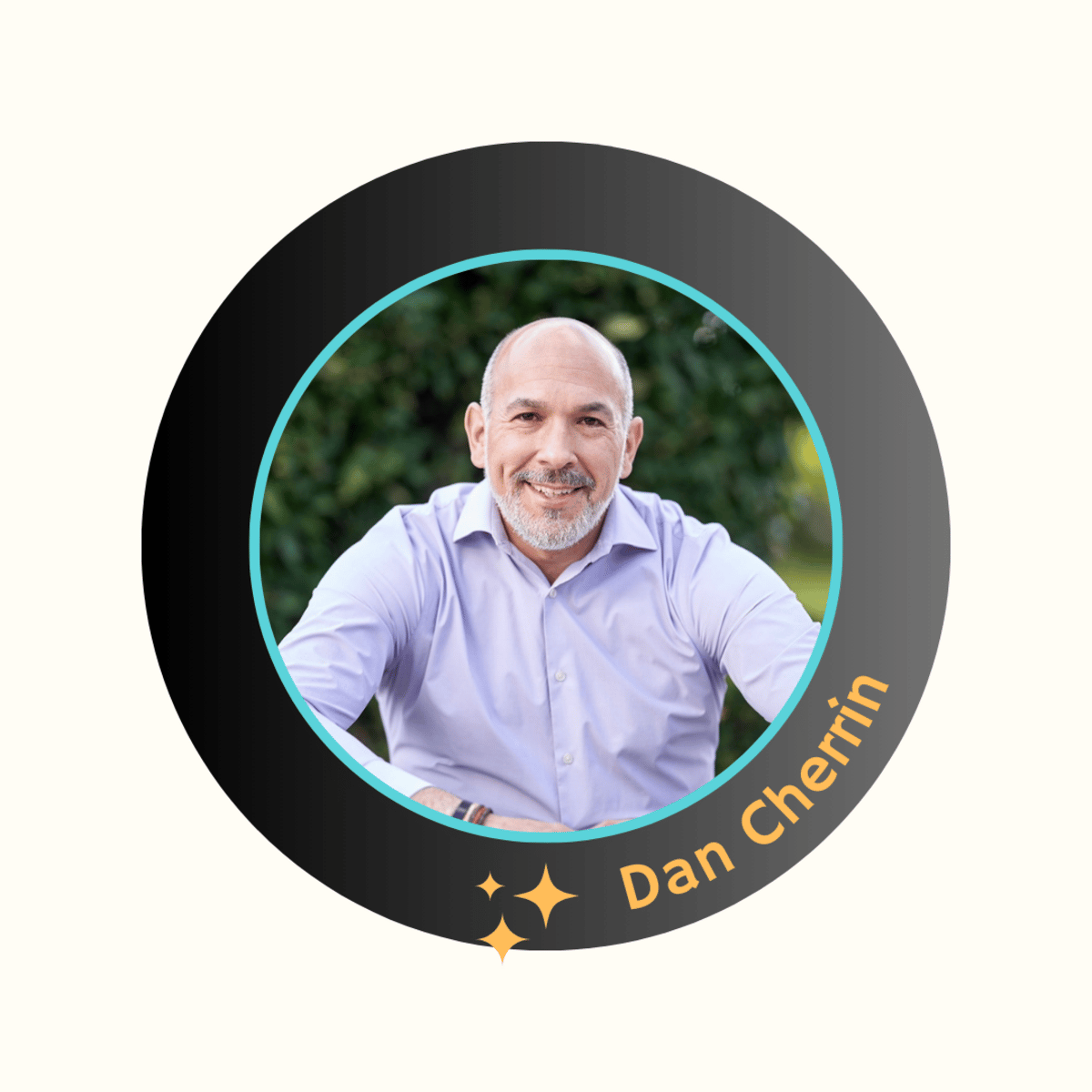
Building a behavioral health system that is consistent, accountable, and centered on care.
Michigan’s behavioral health system is too complex and inconsistent. Ten PIHPs and forty-six community mental health agencies each set their own rules, audits, and contracts. This creates duplication, delays, and confusion. Families often wait too long for services, while providers spend significant time on paperwork instead of care. Public dollars are not always reaching the people they are meant to serve.
A history of change
In 2012 the Legislature reduced PIHPs from 18 to 10 through Public Acts 500 and 501 to improve efficiency and coordination (CHRT, Community Mental Health in Michigan, 2013). Despite that effort, problems continued. In 2017 the Lakeshore Regional Entity ran tens of millions in deficits, requiring state intervention (Bridge Michigan, 2019). The lesson is that simply protecting existing structures does not solve the underlying issues.
Why the Redesign, Why Now?
Lawsuit: PIHPs have sued to block change, not to fix the problems families face. (Case No 24-000198) Courts have consistently recognized the State’s authority to structure Medicaid contracts. (see Lakeshore Regional Entity v. HealthWest, 2023).
Waste and Inefficiency: PIHPs present themselves as defenders of the public system, but too often act like private corporations. For example, many operate with large reserves, invest in buildings, and compete with providers, raising questions about whether legislative appropriated dollars are being used effectively or diverting dollars away from care.
No Accountability: The current model allows PIHPs to act as both funder and provider, a conflict of interest that undermines trust and transparency. (MCL 330.1116(2)(b); MCL 330.1202(1)).
The redesign ends these conflicts by requiring nonprofit/public funders, uniform standards, and one set of rules across the state.
What You’ll Hear — and What’s Really True
“This is privatization.”
According to the RFP, only nonprofits, public bodies, and universities can bid. This strengthens, not weakens, the public system (RFP 250000002670, Section 1.5). Michigan’s behavioral health system has always been built on a public/private partnership, with nonprofit providers working alongside public entities to deliver care in local communities. The redesign continues that tradition while ensuring the system is transparent, accountable, and focused on outcomes.
“This takes money away from communities.”
PIHP/CMHSPs are currently diverting resources into reserves, overhead, administrative staff, and real estate. The redesign directs dollars back to providers and families (Bridge Michigan, 2019).
“This weakens local control.”
Local providers remain central to service delivery. The redesign removes conflicts, so decisions are based on need, not on who controls the contract (MCL 330.1202). Nonprofit providers have been providing care for decades and through every redesign.
“Private insurers spend 15 percent on overhead, while the public system only spends 2%”
While PIHPs report lower direct administrative rates, data from the University of Michigan shows they still retain about 9% of Medicaid dollars for overhead, amounts that could otherwise fund care. Their salary and staffing practices are also publicly reported and can be compared to local nonprofit providers through MDHHS’s mandated survey data.
The comparison to private insurers is misleading. PIHPs hold millions in reserves, purchase buildings, and pay staff salaries tens of thousands higher than the nonprofits they contract with. And when ten separate entities are doing the job that three could do, it becomes impossible to know the true cost of duplication and overhead.
The state’s redesign is about reducing that duplication and making sure public funds are used as intended, for treatment and services, not bureaucracy.
“The federal government (CMS) requires competitive bidding of Michigan’s behavioral health system.”
CMS does not require Michigan to competitively bid PIHP contracts. For decades, CMS approved the state’s sole-source contracts with PIHPs, including the 2014 consolidation from 18 to 10 regions (CMHA Myth vs Fact Poster). What CMS requires is that states ensure accountability, efficiency, and proper stewardship of Medicaid funds. Michigan is choosing to use competitive bidding now because the current system is fragmented, inefficient, and lacks transparency.
“Rebidding adds bureaucracy.”
The current system is already burdened by multiple audits and inconsistent rules. The redesign reduces duplication and applies a single standard across the state.
Why It Matters
Families deserve timely access to services.
Providers deserve consistent and fair funding.
Taxpayers deserve accountability and assurance that dollars are spent on care.
Real competition for contracts ensures the most qualified organizations are chosen to manage services, creating a stronger, more accountable system for our communities.
Michigan has an opportunity to update a system that has not kept pace with today’s needs. The redesign is achievable, realistic, and necessary. It builds on Michigan’s long tradition of public/private partnership while focusing on accountability, transparency, and efficiency so that public dollars go where they belong: into care.
On the other hand, here is how the CMHAM is positioning it:

Filling the Gaps in Michigan’s Behavioral Health Redesign
As Michigan prepares to review proposals and rebid their Prepaid Inpatient Health Plan (PIHP) contracts, there a lot of rumors as to who will apply and those applying will partner with. The RFP sets a higher bar for accountability, integration, and performance than PIHPs have faced before. It also exposes where they are weakest.
PIHPs are strong at anchoring community relationships and maintaining a network of behavioral health providers. They have earned trust with local elected leaders. But the RFP makes clear that future contracts demand more than behavioral health expertise and relationships. They require actuarial sophistication, data accuracy, integrated care models, and service capacity that stretches across the entire continuum of health.
One of the clearest gaps is in actuarial and administrative capacity. The RFP calls for accurate encounter data, payment integrity, and performance-based contracting, areas where many PIHPs have limited experience. Medicaid health plans such as Blue Cross Complete of Michigan, which operates under the nonprofit mutual structure of Blue Cross Blue Shield of Michigan, bring that kind of infrastructure. Blue Cross Blue Shield alone has contributed more than $1 billion to the Michigan Health Endowment Fund since 2013, including $100 million in 2024, underscoring its role as a nonprofit investor in public health.
Integration with physical health is another area where PIHPs fall short. They were never designed to manage the full range of preventive and acute care services that keep people stable. Here again, nonprofit health plans like Priority Health, a Grand Rapids-based company with a Medicaid subsidiary, Priority Health Choice, offer both infrastructure and mission alignment. Priority emphasizes reinvestment in member services over shareholder return, making it a credible partner in a redesign that is not supposed to lead to privatization.
Provider network breadth is also inconsistent. While PIHPs manage deep rosters of behavioral health providers, they lack the statewide reach across hospitals, specialists, and pediatric care that the RFP envisions. McLaren Health Plan, part of the nonprofit McLaren Health Care system, operates as a nonprofit HMO with hospitals and providers across Michigan. Its statewide footprint could help PIHPs meet access standards and reduce the variability families experience today.
Technology and data requirements add another hurdle. Many PIHPs have lagged in real-time data sharing, quality reporting, and NCQA accreditation. National health plans have that capacity, but there are also local nonprofits advancing their capabilities. HAP CareSource, a partnership between Detroit-based Health Alliance Plan and Ohio-based CareSource, operates as a nonprofit and has invested heavily in Medicaid managed care technology, positioning itself as a serious contender.
Perhaps the most sensitive gap is in children’s specialty services and substance use disorder capacity. The RFP emphasizes sustaining trauma, autism, and residential care while expanding SUD access. Henry Ford Health, a Detroit-based nonprofit system founded in 1915, is particularly well positioned here. It has a large behavioral health division and operates HAP, its nonprofit health plan. More importantly, Henry Ford has partnered with Michigan State University on a ten-year research and clinical collaboration, including a joint focus on behavioral health, particularly in Detroit and across Southeast Michigan. That combination of nonprofit mission, hospital reach, and academic research could give any PIHP a competitive edge in demonstrating both capacity and innovation. ProMedica, based in Toledo or the Cleveland Clinic are other possible partners or applicants.
DWIHN provides one example of how this could look. As the state’s largest PIHP, covering Wayne County, it has built partnerships with several health plans around care coordination but still faces the same structural gaps. A formal alignment with nonprofit insurers like Blue Cross, Priority, or McLaren, coupled with a system partner such as Henry Ford, would give it the actuarial depth, hospital access, and behavioral health research integration that the RFP appears to reward.
The irony in the debate is that critics of the redesign often call it privatization. Yet the most likely path for PIHPs to succeed is to partner with nonprofit health plans and nonprofit hospital systems that have the very capacities they lack. Rather than privatization, the future may hinge on blending public behavioral health expertise with nonprofit insurance and health system infrastructure. If that happens, the state may finally achieve what the redesign promises: a behavioral health system that is consistent, accountable, and centered on care.
Catch up on other news around the MDHHS “redesign”
Lawsuit filed to stop DHHS mental health rebid, Detroit Legal News
Proposals are Due October 6, 2025. The transition period, as of today, with contracts signed on February 24, 2026, with anticipated effective date of October 1, 2026. Responses to questions on the RFP will be posted September 12, at 5 PM.
State Budget Update
MALA and Incompass MI have issued an action alert in response to the FY26 House budget recommendations.
MALA and the Direct Care Wage Coalition are raising concerns over language in the House version of Substitute House Bill 4706 that could affect direct care providers. Section 1033 of the bill reduces direct care agency reimbursement rates by $4.56 per hour, totaling $215.8 million in reduced Medicaid funding.
While both the House and Senate budgets maintain the $3.40 per hour wage increase for direct care workers, the House proposal requires providers to absorb the rate reduction in other parts of their budgets. That could mean fewer resources for training, compliance, supervision, and other supports needed to deliver quality services.
Direct care agencies are a vital part of Michigan’s Home and Community-Based Services system, helping people with disabilities, mental illness, and other needs live independently in their communities. MALA, in partnership with Incompass Michigan and other members of the coalition, is asking legislators to oppose Section 1033 and protect provider rates to ensure that agencies can continue to deliver these essential services.
Download the Substitute House Bill Number 4706 Sections 1031 and 1033.
Download the House Fiscal Agency analysis of Medicaid and Behavioral Health for Substitute House Bill Number 4706.
Legislative Update: Budgets and Roads Continue to Dominate Lansing Talks, Michigan State Medical Society
Federal Budget Update
Republicans advance HHS budget, Politico — You can read the House Appropriations Committee Summary, here.
Clinic Openings + News
Alma’s groundbreaking mental health program marks 30 years, The Morning Sun
Children
SUD
Isabella appoints representative for opioid committee, The Morning Sun
The Oakland County Opioid Steering Committee is seeking input from community organizations, agencies, and stakeholders through a Request for Information (RFI) to help guide how to invest opioid settlement funds. The Committee is looking for information about community needs and potential solutions around four key priority areas: staffing and infrastructure, harm reduction, recovery services, and opioid use disorder prevention. Submissions will be accepted through Sept. 19.
ICYMI
Government Accountability Office Issues Behavioral Health Report
The U.S. Government Accountability Office on Sept. 4 released Behavioral Health: Federal Activities to Support Crisis Response Services, reviewing how states use resources from the Substance Abuse and Mental Health Services Administration to enhance the 988 Suicide & Crisis Lifeline, provide mobile crisis response units, expand crisis response staff and improve access to services in remote areas. The report is congressionally mandated by the Consolidated Appropriations Act of 2023. Source National Council for Mental Wellbeing, GAO
In other news,
More psych beds in Michigan does not mean fewer tragedies, Lansing State Journal
Legislation
HB 4219 - This bill requires informed consent requirements for mental health treatment - Engrossed
HB 4218 - This bill modifies the recipient rights advisory committee membership - Engrossed
SB 398 - This bill modifies the substance use disorder services programs requirements and prohibits the promulgation of certain rules - Engrossed
Hearings
House Appropriations Subcommittee on Human Services, Tuesday, September 9, 2025, 12 PM, Room 521, House Office Building re Community-Based SUD Programming and Family Services
If you are a nonprofit behavioral health provider in Michigan, and not a member of the MI Care Council, MI Behavioral Health & Wellness Collaborative, or the Michigan Association of Substance Addiction Providers, or just interested in collaboration, please contact [email protected], for more information on the value of membership. If you know of someone who might find this content, please share this link to the newsletter.
Disclaimer: This newsletter is intended for informational purposes only. Sources have been cited where applicable, and while some content may have been drafted with the assistance of AI, all material has been reviewed and edited by humans. We strive for accuracy, but if you believe something is incorrect or misrepresented, please reach out via direct message so we can review and correct the record if necessary.
