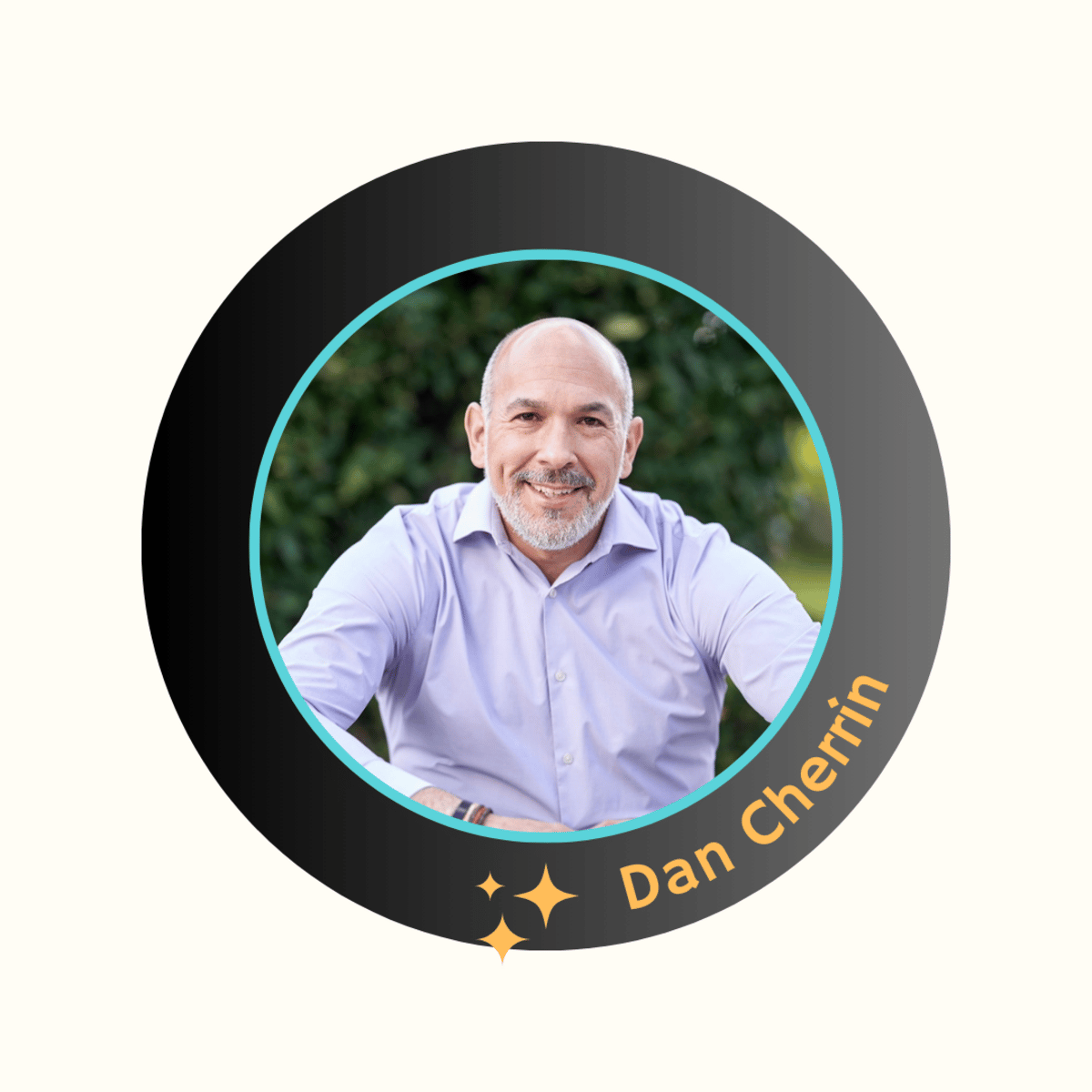
Sixty years ago, county-based mental health agencies were forward-thinking. Today, families need a system built for accountability, consistency, and innovation, one that directs resources to care, not layers of bureaucracy. Pull Up Your Chair & Let’s Start the Conversation.
Sixty Years Is Long Enough: Why PIHPs Want to Keep Living Like It’s 1969
PIHPs fIle a lawsuit against MDHHS to delay or stop the process moving forward.
Those opposed to reforming Michigan’s behavioral health system say they want to protect a model that has been in place for more than sixty years. But sixty years of doing the same thing has produced exactly what families and providers face today: long waits for care, inconsistent access across regions, and public funds diverted into overhead rather than services. Instead of working toward creating a modern system that is more efficient and accountable, the opposition is fighting to preserve outdated structures that serve themselves rather than the people they claim to protect.
The current model was born out of the 1960s, when the nation was moving away from large psychiatric institutions and toward community-based care. At the time, creating county-based mental health agencies reflected the values of that era: local control, public management, and a commitment to serving people in their own communities. That structure was progressive for its time, but it has not kept pace with today’s realities. What was once innovative has now become fragmented, duplicative, and too often focused on protecting administrative layers rather than delivering timely care.
Last week, a group of regional entities filed a lawsuit in state court to block the State’s request for proposals for Prepaid Inpatient Health Plans. They described the bid process as a privatization of care and warned that it would dismantle Michigan’s public behavioral health system. In reality, the RFP requires that contractors be nonprofit organizations, public bodies, or universities. Far from privatization, the process allows the very entities now suing the State to participate. Their legal claim rests not on being excluded but on resisting competition.
Region 10 PIHP, Southwest Michigan Behavioral Health, Mid-State Health Network, St. Clair County CMHA, Integrated Services of Kalamazoo and Saginaw County CMHA v. State of Michigan
The lawsuit is only one piece of a larger advocacy campaign designed to stop the State’s reforms. They will introduce legislation aimed at stopping the RFP and have asked former U.S. Senator Debbie Stabenow to advocate against Michigan’s efforts to create a fair and accountable system of care. They plan to use the Walk a Mile in My Shoes Rally at the Capitol on September 17 as a platform to share their anti-privatization message and to hold a press conference that morning with legislators, labor leaders, and advocacy groups. Editorials are also being prepared for major outlets to reinforce their talking points.
Federal law makes the Michigan Department of Health and Human Services the single state agency responsible for Medicaid. That includes the authority to competitively procure contracts, a process already approved by CMS under Michigan’s 1115 Behavioral Health Demonstration. Courts rarely interfere with procurement decisions unless there is a clear violation of law, and in this case there is none. At best, the lawsuit may delay implementation. It cannot overturn the State’s authority to act.
Those opposed to reform say they are defending a public system, yet many have built large cash reserves, purchased buildings, hired more administrators, and even opened clinics that compete with the very community providers who have been serving vulnerable populations for decades. The heart of Michigan’s mental health system has always been rooted in values of service, compassion, dignity, and equity. Providers in our neighborhoods carry those values every day as they serve families in crisis, often with limited resources and heavy caseloads. A structure that diverts dollars away from those principles and into bureaucracy is not protecting the public system, it is weakening it. If we are serious about honoring the mission of community mental health, then we need a system that ensures resources reach the individuals and families who rely on it, and that means embracing reforms that reflect those same values.
Inside the Opposition’s Playbook
Those wanting to maintain a 60 year + system have mapped out a three-part strategy to block the State’s behavioral health redesign.
They have raised a special assessment from member organizations to create a financial war chest and are using it to fuel an aggressive advocacy campaign. On the political front, they are building a coalition that includes former Senator Debbie Stabenow, organized labor, and county associations. They plan to make opposition to the RFP the centerpiece of the September 17 Walk a Mile in My Shoes Rally at the Capitol, where Stabenow will serve as keynote speaker, followed by a press conference with legislators, labor leaders, and advocacy groups. A package of bills is being prepared for introduction in the legislature, and editorials are slated for publication in major outlets.
The second prong of their strategy is legal action. On August 28, 2025, a group of regional entities filed a lawsuit in state court to halt the RFP. (See below). They argue the bid process dismantles public management of behavioral health.
Finally, they are developing “alternative models” of behavioral health management to present as substitutes if the RFP proceeds. These models are designed to preserve the current public system with modest adjustments rather than embracing the structural changes the State is pursuing.
Together, these actions reflect a coordinated attempt to protect a system created more than sixty years ago, one that now faces deep questions about efficiency, accountability, and its ability to meet the needs of families today.
COMMUNITY MENTAL HEALTH ASSOCIATION OF MICHIGAN PRAISES LAWSUIT FILED TO STOP PIHP BID PROCESS, Community Mental Health Association - 08/28/2025. August 28, 2025— The Community Mental Health Association of Michigan (CMHA) released the following statement today from its CEO Robert Sheehan to applaud the public behavioral health entities who filed suit to stop the bid out of the management of Michigan’s public mental health system to private insurance companies.
OCHN Annual and Strategic Plan Community Forum Announced
In its strategic plan, Oakland Community Health Network (OCHN) highlights what it sees as external threats to the public system, including the expansion of CCBHCs and MDHHS’s competitive procurement of PIHPs. On page 7, the plan raises concerns about privatization, loss of local control, and destabilization of a system it notes has been in place for more than sixty years.
A Virtual Community Forum to present these plans will take place on Tuesday, September 2, 2025 at 4:30 p.m. Please register at this link.
Join the meeting Meeting ID: 295 988 789 289 6, Dial in at this number 773-917-7783,462831394#
Seeking Clarity: What SUD Providers Want to Know About the PIHP RFP
As Michigan reshapes its behavioral health system through RFP No. 250000002670, Substance Use Disorder (SUD) providers face unique uncertainties. Many of these organizations are smaller, deeply rooted in their communities, and historically connected through SUD Policy Boards. With the new structure, those Policy Boards are no longer required, leaving providers worried about how their voices will be heard and how they will remain part of the safety net.
At the heart of their concern is inclusion. SUD providers want to understand how the new procurement process will ensure they are meaningfully part of provider networks, especially given the shift to managed care and competitive bidding. There is unease about whether PIHPs will be required to continue contracting with all current SUD providers serving Medicaid beneficiaries, or whether they will be free to create narrower networks that might leave smaller providers behind. Providers are also asking what standards PIHPs must meet to demonstrate network adequacy for substance use services, and how compliance with those standards will be monitored by the State.
Governance is another area of uncertainty. Without mandated SUD Policy Boards, providers wonder what avenues they will have to participate in decision-making. They want to know how their perspectives will be represented within PIHP governing structures, and whether there will be a formal process for local SUD boards or providers to regularly share concerns and recommendations with PIHP leadership or MDHHS.
There are also questions about how service delivery may change. Providers need clarity on what to expect in terms of funding flows and service authorization processes under new contracts, as well as how these changes might affect access to care for people with substance use disorders. If there are risks of disruption, what protections will be in place to safeguard clients during the transition?
Finally, providers are looking for assurance around contracting and oversight. They want to know if PIHPs will have the authority to restrict panel participation based on criteria that may exclude certain SUD providers, and if so, what those criteria will be. Equally important is clarity on what mechanisms will be available for providers who feel excluded or disadvantaged, whether there will be an appeals process or a way to raise concerns directly with the State.
These questions are not barriers to progress; they are pathways to trust. The last system transition in 2011–2012 gave SUD providers a two-year window of guaranteed participation, which allowed them to adapt and continue serving their communities. A similar safeguard today, perhaps four years of guaranteed inclusion in networks, would provide the stability needed for SUD providers to remain viable and protect continuity of care. By addressing these questions up front, MDHHS can help ensure that the redesign delivers on its goals of fairness, transparency, and expanded access for those who need it most.
Questions child providers are asking in Michigan’s new system of care
As Michigan advances its behavioral health system redesign, child-serving providers are raising critical questions about how the new structure will protect and sustain services for young people. Providers are seeking clarity on how conflict-free relationships will be maintained if PIHPs and CMHSPs separate on paper yet continue to share responsibilities, particularly if administrative duties are delegated back to CMHSPs. They are also urging the adoption of cost-based reimbursement for all services, including those for children that require significant labor but are not currently reimbursed. Concerns remain about safeguarding the children’s continuum of care built over the past two decades, and about implementing one standardized assessment statewide, including trauma screening, to better determine levels of care. Providers are also calling for child advocates to have a formal role on PIHP and CMHSP boards to ensure children’s needs are prioritized, and for stronger guidance on how public-private partnerships will operate equitably within the redesigned system.
House-Passed Budget and Behavioral Health
House Budget Proposal Deepens Uncertainty for Behavioral Health and CCBHCs
Last week, the House approved a $54 billion omnibus budget bill, $3 billion less than the current year, $5 billion below the Governor’s plan, and $6 billion under the Senate’s proposal. The shortfall stems largely from holding $2.5 billion in Hospital QAAP revenue and $2.3 billion in Insurance Provider Assessment revenue in contingency funds while awaiting federal guidance on Medicaid financing, creating major uncertainty for hospitals and behavioral health providers alike.
For behavioral health, the House shifted key Medicaid line items, including autism services, Certified Community Behavioral Health Clinics (CCBHCs), Health Homes, Healthy Michigan Plan behavioral health, and Medicaid-funded mental health and substance use disorder services, to a one-time funding basis. Medicaid mental health services were set at $3.35 billion, about $70 million below the Governor’s recommendation, while substance use disorder services declined to $88.3 million. Funding for autism services was slightly higher at $467.6 million, but CCBHCs were cut to $565.3 million, well below the $916 million proposed by the Governor. Health Homes dropped to $25 million, less than half of the executive recommendation.
Children’s services were also hit, with the elimination of the Michigan Clinical Consultation and Care program, which supports pediatric behavioral health, and cuts to the Special Network Access Fee that helps physicians serving Medicaid patients. Direct care agency rates were reduced by $215.8 million, amounting to $4.56 less per hour, while Medicaid methadone reimbursement declined by $16 million. The budget also eliminated support for initiatives like the Mental Health Diversion Council and MC3, which connects primary care providers with child psychiatrists.
Taken together, these changes represent significant uncertainty for behavioral health providers, especially around CCBHC expansion, children’s services, and substance use disorder treatment. While the Senate and Governor’s proposals include higher investments, the House plan positions behavioral health for months of negotiations, with the potential for major revisions before a final budget is enacted.
In Washington, Congress returns from its August recess this week. The House Subcommittee on Labor, health and Human Services will meet on Tuesday, Sept. 2, at 5 p.m. ET to mark up its appropriations package.
Mental Health in Schools and Other Places
Nessel Joins Multistate Effort to Protect School Mental Health Funding, Michigan AG News Release
More psych beds in Michigan does not mean fewer tragedies, Detroit News (Opinion)
SUD
International Overdose Awareness Day, August 31, Vital Strategies (video)
Spotify Music List honoring iconic musicians lost to overdose.
America Was Finally Turning a Corner on Opioids. Until Now., The New York TImes
State Policy
Michigan selected as one of 11 states for National Medicaid Oral Health Workforce Implementation Learning Series
Michigan has been selected as one of 11 states to participate in the National Medicaid Oral Health Workforce Implementation Learning Series, a national initiative led by the Center for Health Care Strategies with support from the CareQuest Institute for Oral Health. The program will allow Medicaid agencies and partners to share best practices and develop strategies to expand the dental workforce, improve access to care, and strengthen services for families. Through this initiative, Michigan aims to bolster its oral health workforce to ensure preventive and restorative care is available to all, recognizing the critical role oral health plays in overall health and well-being. Source MDHHS
Strengthening Mental Health Policy Amid Economic Uncertainty—Pa., Ohio, & S.C., Robert Woods Johnson Foundation/National Governors Association
Fee-For-Service
Caregivers
Rural Mental Health in Michigan
Meeting rural Michiganders' mental health care needs, Second Wave Media
What the Reconciliation Bill Means for Rural Hospitals, Health Affairs
Social Drivers of Health
Connecting Housing & Health: Unaffordable Rent in the United States, State Health Access Data Assistance Center
CCBHC
Certified Community Behavioral Health Clinics in Michigan: Expanding Access to Behavioral Health Services, Center for Health and Research Transformation (CHRT)
Children
Medicare Advantage, Youth Mental Health, And More, Health Affairs
Think Babies Michigan (TBMI)’s Town Hall event: The event recording and slides and Here is a link to the slides.
EVENT: The League’s Champions for Kids luncheon will celebrate the release of the 2025 Kids Count in Michigan Data Book with special guests including U.S. Senator Debbie Stabenow, Dr. William Elliott, of the University of Michigan, Laila Bell of the Skillman Foundation and Zoe Clark of Michigan Public. Register here.
HHS News
SAMHSA Announces $19M in Supplemental Funding to Strengthen Housing Capacity for Homeless People with Serious Mental Illness
The Substance Abuse and Mental Health Services Administration (SAMHSA) announced $19 million in supplemental funding to strengthen housing capacity for people experiencing homelessness with serious mental illness. The funding, provided through the Community Mental Health Services Block Grant, will help states align public health, housing, and justice systems to reduce homelessness and improve outcomes for individuals with SMI. Priorities include expanding Assisted Outpatient Treatment programs, strengthening partnerships with housing authorities, and improving data-sharing infrastructure with tools such as Health Information Exchanges and AI. All 50 states, territories, and Pacific jurisdictions are eligible for awards ranging from $20,000 to $2.3 million. Source: HHS
Events

Source: Eleos
Eleos for group therapy & SUD settings, Wednesday, September 17, 9 AM PT/12 PM
Introducing Eleos Groups Audio, a flexible ambient AI solution that makes documentation for group therapy easier. The ambient AI tool seamlessly generated notes for individuals and the group as whole during a group therapy session, all within the existing Eleos Documentation workflow. Hear about their experience directly from Andrew Schmitt, LCSW, Interim Vice President of Operations at Gaudenzia, and Eleos CEO Alon Joffe, during Eleos’ 1-hour Summer 2025 Launch Event Key Topics: Reducing administrative burden in high-volume group settings without sacrificing quality, supporting clinical teams delivering community programs and medication-assisted treatment (MAT), and freeing up time and attention so providers can focus on people — not paperwork. See the August Eblast for information on their Summer Launch Email Invite Series. Register now
NACBHDD Fall Virtual Legislative & Policy Conference 2025: October 21st – 22nd
At the Fall Virtual Legislative & Policy Conference you’ll gain insights into: Education, Outreach & Coalition building, Federal behavioral health and I/DD policy, and State legislative sessions. Join us via Zoom, October 21st – 22nd, 2025! Register here or contact NACBHDD membership coordinator, [email protected]
Community Mental Health Association Fall Conference, Traverse City, October 2025
Systems Level Solutions
At the Aspen Ideas: Health conference, Alyson Niemann, CEO of Mindful Philanthropy, outlined a bold vision for closing America’s mental health funding gap. In a conversation with Conversations on Health Care Niemann described her organization’s challenge to grow investment in mental health, addiction, and well-being to $35 billion annually by 2035. Mindful Philanthropy is positioning itself as a catalyst in the field, equipping more than 1,100 funders across all 50 states with tools, research, networks, and shared frameworks to make coordinated, systems-level change possible. Watch the interview here on Philanthropy’s Bold Plan for Mental Health.
If you are a nonprofit behavioral health provider in Michigan, and not a member of the MI Care Council, MI Behavioral Health & Wellness Collaborative, or the Michigan Association of Substance Addiction Providers, or just interested in collaboration, please contact [email protected], for more information on the value of membership. If you know of someone who might find this content, please share this link to the newsletter.
Disclaimer: This newsletter is intended for informational purposes only. Sources have been cited where applicable, and while some content may have been drafted with the assistance of AI, all material has been reviewed and edited by humans. We strive for accuracy, but if you believe something is incorrect or misrepresented, please reach out via direct message so we can review and correct the record if necessary.
