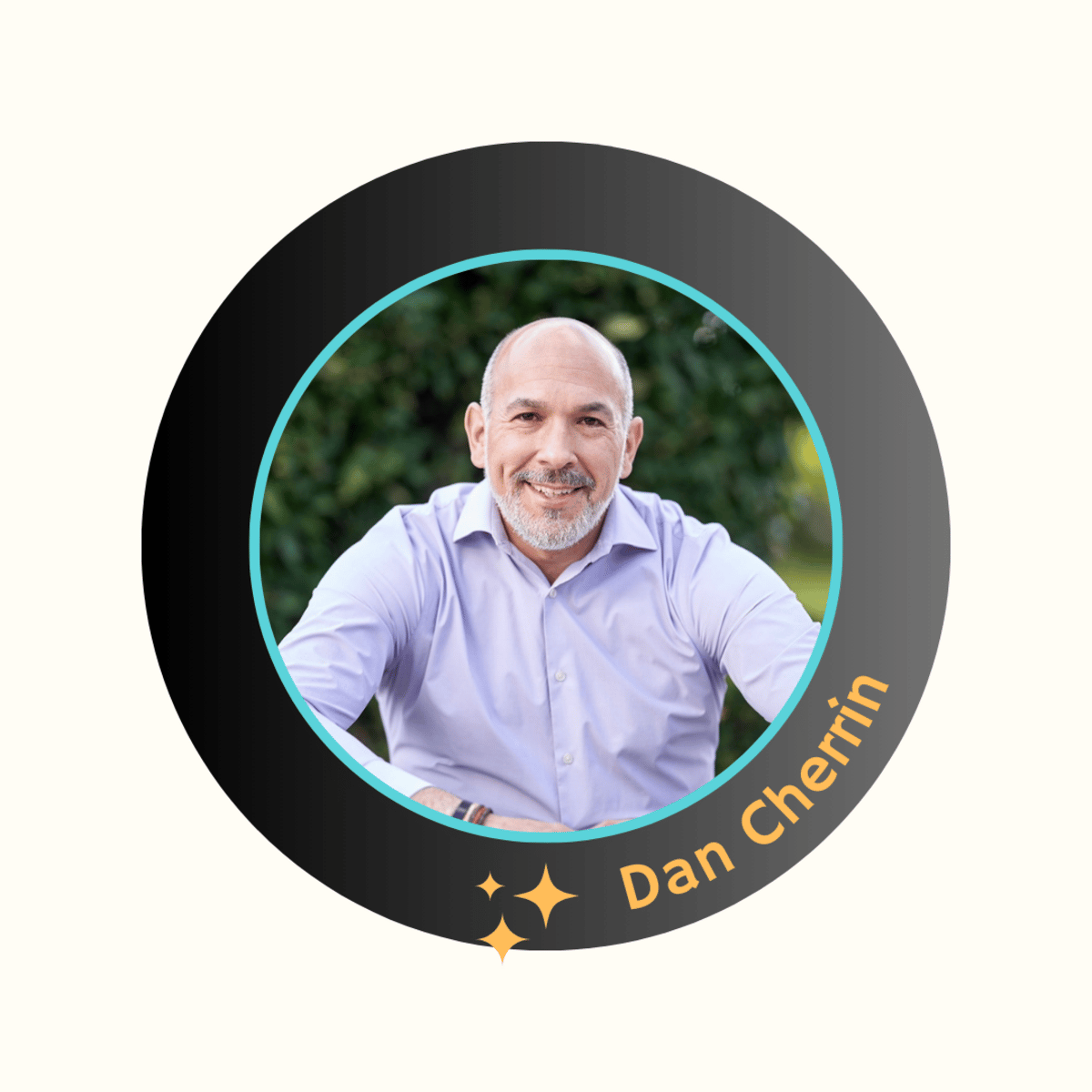
This week’s issue highlights how MDHHS is raising the bar for Michigan’s behavioral health system. The State reaffirmed that PIHPs must remain conflict-free, with independent boards and oversight that puts accountability first. Access standards are also stronger, requiring real provider commitments across services from SUD and youth supports to autism care and emergency response. And children’s services take on greater priorities, with expectations for compliance, foster care supports, and coordination for high-risk youth. Pull Up Your Chair & Let’s Start the Conversation.
Redesign Update
MDHHS Publishes the Responses to the Questions Submitted and Issues Amendment 5
The Michigan Department of Health and Human Services (MDHHS) has issued its formal responses to bidder questions on RFP 250000002670, the competitive procurement for Prepaid Inpatient Health Plans (PIHPs). The State also released Amendment 5, which makes substantive updates to the Statement of Work, reporting standards, governance requirements, and bidder instructions.
You can review the responses to the questions here.
Taken together, the responses and amendments provide clearer guidance on several of the most debated issues:
Conflict-free management. MDHHS reaffirmed that PIHP contractors must operate strictly as payors, not providers. The State clarified that managed care functions, including utilization management, claims, quality improvement, and fraud prevention, cannot be delegated to provider networks. This addresses long-standing concerns about conflicts of interest when entities act as both funder and provider.
Governance safeguards. Amendment 5 reinforces that PIHP boards must be independent, capped at 15 voting members, and at least one-third must be individuals with lived experience. Providers may hold no more than one-third of the seats, and boards must exclude members with ownership interests in contracting entities. These requirements are designed to align with federal standards and ensure decisions are transparent and accountable.
Network adequacy and access. In its Q&A, MDHHS emphasized that contractors will be responsible for meeting time, distance, and provider-to-enrollee standards. Amendment 5 requires bidders to submit Letters of Commitment from providers across key service lines, including emergency intervention, inpatient psychiatry, autism, HCBS, youth services, and the full SUD continuum. (That is why some providers are being asked for letters of support by current PIHPs.) The State also clarified expectations for culturally competent services, tribal partnerships, and coverage for high-risk populations such as individuals involved with corrections and child welfare.
Fiscal oversight. The State strengthened requirements for capital reserves, risk corridors, and program integrity, underscoring that administrative costs and reserves must not divert dollars from care. Contractors will be held to strict audit and compliance standards, with sanctions available for deficiencies.
Grievances and appeals. MDHHS made clear that PIHPs must align grievance and appeal processes with federal timelines and provide “reasonable assistance” to beneficiaries. Amendment 5 updates this section to stress plain language communication and accessible supports for enrollees.
Reducing administrative burden. In response to provider concerns, Amendment 5 directs contractors to streamline contracting, data reporting, and audit duplication. MDHHS is requiring bidders to propose concrete innovations to reduce paperwork and administrative costs across regions.
Integration with physical health. The Q&A confirmed that PIHPs will be expected to coordinate closely with Medicaid Health Plans (MHPs) through formal agreements, shared metrics, and joint care management for beneficiaries with complex needs. Certified Community Behavioral Health Clinics (CCBHCs) are also explicitly recognized as key partners in ensuring access and continuity.
As it relates to Substance Use Disorder (SUD) services, in Amendment 5, MDHHS reaffirmed federal and state priority populations, including people who inject drugs, parents at risk of losing custody, and individuals recently released from incarceration or under supervision, and made clear that contractors must demonstrate capacity to serve them. Bidders are now required to submit provider Letters of Commitment for the full continuum of SUD services across all ASAM levels, covering both youth and adults. The State also emphasized coordination with Certified Community Behavioral Health Clinics (CCBHCs), integration of SUD Health Homes, and close collaboration with the Department of Corrections to ensure timely access, continuity of care, and recovery planning. These requirements signal a sharper expectation that the new PIHP structure not only preserve but expand access to SUD treatment and recovery supports across Michigan.
Children’s behavioral health needs are also highlighted throughout the State’s responses and Amendment 5. PIHPs will be responsible for maintaining compliance with federal Home and Community-Based Services (HCBS) standards for children’s waivers, including the Children’s Waiver and Serious Emotional Disturbance Waiver, and must ensure access to EPSDT-mandated services for youth under 21. Bidders are required to show provider commitments for youth-focused services such as Wraparound and respite care, and to outline clear plans for emergency and crisis intervention for children, adolescents, and foster youth. The State also underscored the importance of serving children involved in child welfare and juvenile justice systems, ensuring that care is coordinated, timely, and comprehensive.
The release of Amendment 5 also updated the RFP timeline and clarified scoring for Schedule J narrative responses. Notably, MDHHS revised Question 2 (quality improvement) and Question 16 (compliance processes) to ensure bidders address conflict of interest risks and demonstrate the ability to collect and analyze outcomes data.
For providers, the State’s responses provide reassurance that concerns about conflict-free governance, equitable access, and administrative burden are being taken seriously. However, they also raise the stakes for bidders: proposals must now include detailed region-specific plans, signed provider commitments, and proof of readiness to implement the federal Home and Community-Based Services (HCBS) standards.
With bids due later this fall, stakeholders across Michigan’s behavioral health system will be watching closely to see how the State’s answers translate into competitive proposals—and ultimately, into a system that is simpler, more accountable, and centered on care.
The Campaign Against the Redesign
Sorting Fact From Advocacy in Michigan’s Mental Health Debate
The State of Michigan’s decision to rebid management of its public behavioral health system has prompted sharp pushback by those most resistant to change. A recent open letter from a coalition PIHPs and CMHSPs warns of dire consequences, including service disruptions, higher costs, and the dismantling of a system built over six decades.
The letter is forceful, but it is also imbalanced. Some of its most prominent claims do not fully square with what the State’s Request for Proposals (RFP No. 250000002670) actually sets out.
Take the concern that the rebid “favors private health insurance companies.” In reality, the RFP limits eligible bidders to nonprofits, public bodies, and public universities. Commercial insurers are excluded. That safeguard is significant and was intentionally written into the procurement to preserve a public, community-based system.
Or consider the argument that $500 million will be siphoned from services into insurance company overhead. That figure assumes private plan participation. But under the RFP, administrative costs and medical loss ratios will be regulated by the State. The cited “2 percent vs. 15 percent” comparison is not drawn from the RFP itself but from advocacy talking points.
The letter also frames structural change as destabilizing. Yet the RFP’s stated goals are to reduce duplication, improve consistency across regions, and eliminate conflicts of interest where entities serve as both funder and provider. These are long-standing concerns raised by providers themselves, and the letter sidesteps that reality.
On process, the letter calls for a collaborative redesign rather than an RFP. But the procurement explicitly requires contractors to work with every community mental health agency in their region and emphasizes coordination and integration. This suggests the State is not discarding local input but seeking to systematize it.
Finally, the letter leans on an old poll showing public opposition to “privatization” of mental health care. While effective as a political tool, that survey predates the current framework and does not capture the fact that private insurers are not eligible under the present RFP.
None of this is to say concerns about funding, workforce shortages, or continuity of care should be dismissed. They are real and must be central to any transition. But those issues are distinct from the structural reforms the State has put forward.
In short, the open letter is an effective organizing document for opponents of change. It highlights risks, but it also overstates them, omits safeguards, and leans on outdated evidence. Policymakers weighing Michigan’s next steps should read it as advocacy, not as a neutral assessment. The harder work lies ahead: ensuring reform improves access and accountability without undermining the community-based system Michiganders rely upon.
To see the open letter will be placed, by CMHA, in media outlets and will be sent to the Governor, Lieutenant Governor, and State Legislators in the coming days, link here. You can find their other advocacy efforts on the CMHAM website.
Merger
Bridge Health Formed to Bid for Northern Michigan PIHP, Seeks Provider Support
Northern Michigan Regional Entity (NMRE) and NorthCare Network have merged to create Bridge Health, a new organization formed in response to the state’s recent Prepaid Inpatient Health Plan (PIHP) RFP. Under the Michigan Department of Health and Human Services’ redesign, PIHPs will be consolidated into three regions beginning in October 2026, and Bridge Health intends to submit a proposal to manage the Northern Region, which will include the Upper Peninsula and northern Lower Michigan. Bridge Health leaders say the merger combines decades of public health infrastructure and expertise from both entities, positioning them to maintain continuity of care for Medicaid beneficiaries. It appears that Bridge Health in Michigan is not related to the Bridge Health serving the Southeastern part of the country.
ICYMI
State Budget.
Direct Care Worker Coalition Urges Legislature to Protect Funding in House Budget Debate
The Michigan Direct Care Worker Wage Coalition is pressing state lawmakers to reject a proposed 20 percent cut to agency reimbursement rates included in the House-passed FY26 budget. While the plan maintains a $3.40 per-hour wage increase for direct care workers, it reduces agency funding by $4.56 per hour and prohibits lowering wages to cover the difference, leaving providers with a net loss they say is unsustainable. Coalition leaders argue that the measure would undermine the very workforce the state is trying to support, leading to job losses, service cuts, and potential agency closures. The impact would extend beyond disability services into behavioral health, where providers also depend on direct care staff to deliver home- and community-based supports. Without legislative action to restore funding, the coalition warns that families across Michigan risk losing access to critical care

Direct Care Wage Coalition
Federal Budget.
House Advances FY26 Health and Education Spending Bill with Mixed Impact on Behavioral Health
According to the National Council for Mental Wellbeing, the House Appropriations Committee voted along party lines on September 9 to advance the fiscal year 2026 Labor, Health and Human Services, Education, and Related Agencies Appropriations Act. The legislation does not incorporate the administration’s proposed restructuring of HHS into an Administration for a Healthy America but signals that appropriators will work with authorizing committees to review the idea. The bill contains a mix of increases, level funding, and cuts to mental health and substance use programs. Funding levels include $385 million for Certified Community Behavioral Health Clinics (level with last year), $2.013 billion for the Substance Use Prevention, Treatment and Recovery Services Block Grant (+$5 million), and $1.017 billion for the Community Mental Health Services Block Grant (+$10 million). State Opioid Response grants remain flat at $1.575 billion, while the 988 Suicide & Crisis Lifeline is level-funded at $519 million. The bill eliminates Mental Health Awareness Training (MHAT) and reduces Project AWARE by $13 million to $126 million. The full House must now consider the measure, with lawmakers facing an October 1 deadline to avert a shutdown and debating how long a continuing resolution should extend into the fall or winter.
Rural Health.
MDHHS launched a website and survey for the Rural Health Transformation Program that’s included in OBBA. They want rural providers, community partners, Medicaid beneficiaries and rural community residents to participate in the survey. It closes at 5:00pm, Monday, September 22nd. Rural Health Transformation Program Website. Take the survey here. While last week, the Centers for Medicare and Medicaid Services (CMS) unveiled a new Frequently Asked Questions (FAQ) document ahead of applications opening for the Rural Health Transformation Program, a $50 billion fund included in the One Big Beautiful Bill Act and intended to benefit rural health providers and clinics. CMS has indicated applications will open by mid-September, with a Notice of Funding Opportunity (NOFO) likely to be posted soon. The FAQ document covers topics such as eligibility, applicable use of funds and application requirements. Source National Council for Mental Wellbeing.
Oversight.
Chair of state House oversight committee to MDHHS director: If this was a business, you'd be fired, Detroit News - 09/10/2025
Children.
Mental Health Consultation Funding
Funding is at risk for Infant and Early Childhood Mental Health Consultation, a service available in 42 Michigan counties that keeps parents in the workforce and promotes a positive learning environment for children in child care and preschool programs, according to Michigan’s Children. According to the organization, both the Governor and House want to cut funding for this program by 50%! Join Michigan’s Children on Monday, the 15th at 6pm to to learn more about the issue, https://bit.ly/callparty25

Around the State.
Michigan Hospital Collaboratives Launch to Improve Community Health, Michigan Health & Hospital Association (MHA) - 09/09/2025
Statewide Effort Strengthens Mental Health Support for Construction Workers During Suicide Prevention Week, Department of Labor and Economic Opportunity - 09/09/2025
From Other States.
From SAMHSA on MAHA.
On September 10, the Substance Abuse and Mental Health Services Administration (SAMHSA) released its updated strategic priorities, reaffirming its mission to treat mental illness, prevent addiction, foster recovery, and expand access to care. The plan identifies six priorities: preventing substance misuse and addiction, addressing serious mental illness, expanding crisis intervention services, improving access to evidence-based treatment for mental illness, substance use, and co-occurring disorders, supporting long-term recovery, and addressing emerging behavioral health threats. SAMHSA’s strategy signals potential shifts in how federal resources are directed, with implications for providers who rely on block grants and federal initiatives. The National Council has pledged to work closely with the administration to ensure these priorities translate into sustained investment in community-based mental health and substance use services nationwide.
Politics
Obama Alumni Rally Behind Matt Maasdam in Battleground House Race
A group of high-profile Obama administration veterans are backing former Navy SEAL Matt Maasdam in Michigan’s 7th District, a top target for Democrats after Elissa Slotkin’s Senate run left the seat open in 2024. Maasdam, who once carried the “nuclear football” as a military aide to President Obama, is facing a crowded primary that includes former U.S. Ambassador to Ukraine Bridget Brink. The fundraiser, set for Sept. 17 in Washington’s Dupont Circle, will feature names like Jay Carney, Jim Messina, Susan Rice, and Kathleen Sebelius, underscoring the national stakes of the Lansing-based contest. Source Punchbowl News.
Events
The CMHA 2025 Annual Fall Conference will be held on Oct 27-28, Register Here. The Center for Health Care Strategies is hosting a virtual panel on October 7 highlighting how state Medicaid agencies can tackle the nation’s behavioral health workforce shortage. They will outline policy options to expand pipelines, modernize licensing, and creating retention incentives to ensure Medicaid members can access the care they need. Register here. Finally, the Michigan Health Policy Forum’s Fall 2025 Forum, "Medicare, Medicaid, and Social Justice: Reflecting on the Ethical Implications of the Big, Beautiful Bill" will be held on Monday, October 20, 2025, 1:00-3:30 PM. Register here.
Partner Updates
Many providers are leveraging the tools offered by Eleos. Last week, Eleos provide their business review. From measuring ROI to improving adoption and sneak peaks of all the roadmap items and new products Eleos plans to release in the next 6 month, you revisit their webinar here — Eleos Joint Business Review
If you are a nonprofit behavioral health provider in Michigan, and not a member of the MI Care Council, MI Behavioral Health & Wellness Collaborative, or the Michigan Association of Substance Addiction Providers, or just interested in collaboration, please contact [email protected], for more information on the value of membership. If you know of someone who might find this content, please share this link to the newsletter.
Disclaimer: This newsletter is intended for informational purposes only. Sources have been cited where applicable, and while some content may have been drafted with the assistance of AI, all material has been reviewed and edited by humans. We strive for accuracy, but if you believe something is incorrect or misrepresented, please reach out via direct message so we can review and correct the record if necessary.
