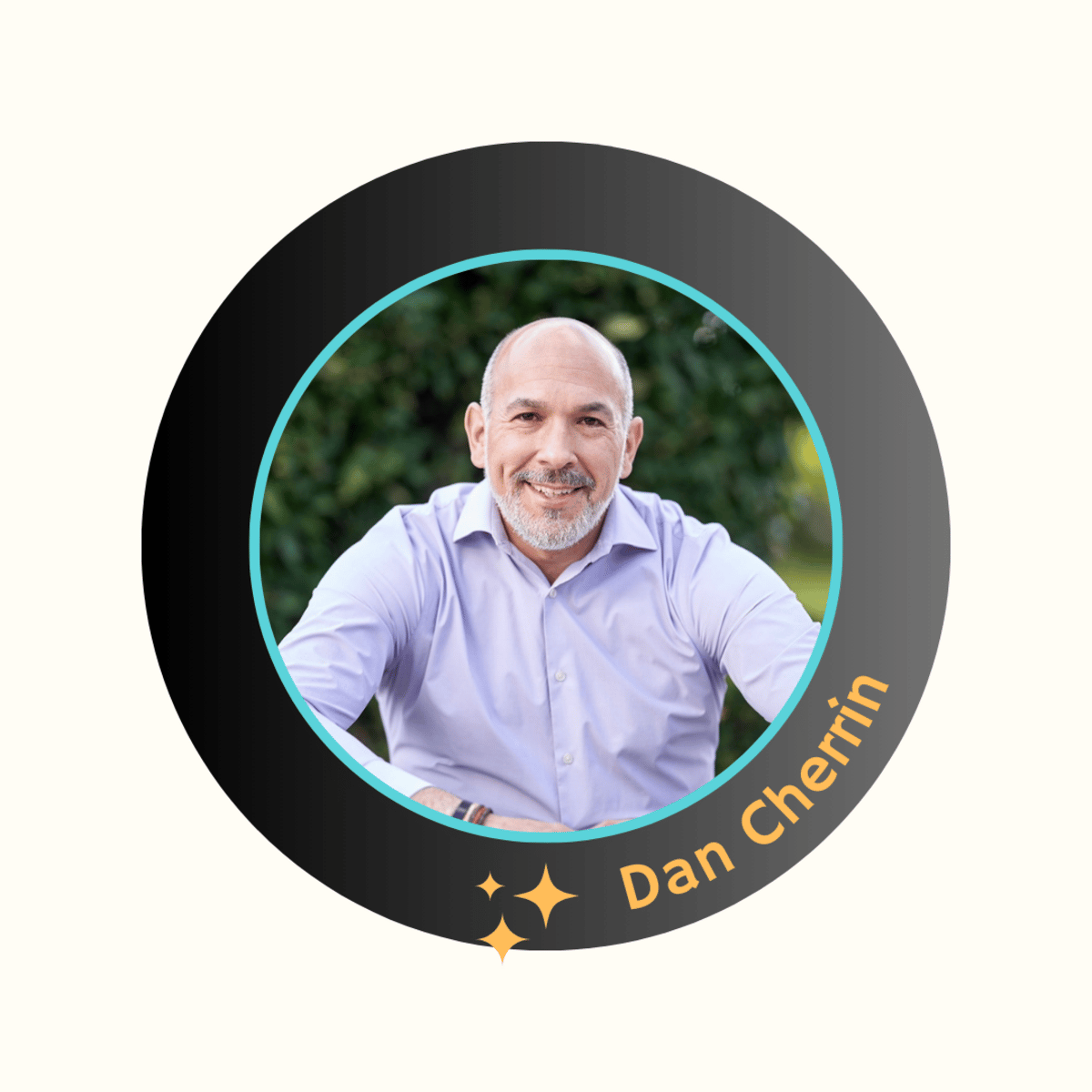
In this week’s edition, 08:2025, behavioral health providers across all 83 Michigan counties are stepping up to support the state’s proposed overhaul of the behavioral health system. They’re making it clear, the current structure is too fragmented, too bureaucratic, and too slow to deliver care. The MDHHS rebid offers a path toward consistency, accountability, and equity, without privatizing the system. Meanwhile, the U.S. Senate has advanced a bipartisan funding bill that strengthens support for CCBHCs and key block grants, signaling continued federal investment in mental health and substance use care. At the same time, a sweeping Executive Order is shifting the nation’s approach to homelessness, tightening restrictions on harm reduction, expanding support for treatment-based interventions, and positioning CCBHCs as a frontline response. This week’s takeaway? The landscape is changing, at the state and federal level. Now is the time to make sure policy, funding, and provider voices are aligned to fix what’s not working and build what comes next. Pull Up Your Chair & Let’s Start the Conversation.
MDHHS Rebid
Behavioral Health Providers Back State Rebid Effort to Fix Michigan’s Fragmented Care System
Behavioral health providers serving all 83 Michigan counties are voicing strong support for the Michigan Department of Health and Human Services (MDHHS) proposal to overhaul how behavioral health services are managed and funded in the state. Representing the front lines of care for individuals with mental health conditions, substance use disorders, and complex co-occurring needs, provider organizations say the current system is broken, fragmented, duplicative, and overly bureaucratic.
Under today’s structure, 10 Prepaid Inpatient Health Plans (PIHPs) and 46 Community Mental Health Services Programs (CMHSPs) manage care based on geography, resulting in widely varying rules, reimbursement rates, and oversight. Providers say this patchwork approach adds delays, drives up costs, and limits accountability, all while making it harder for people to get consistent, high-quality care. This complexity doesn’t improve care. It delays it.
The provider groups argue that the MDHHS rebid is not only appropriate, it’s necessary. The process aims to streamline the system, align incentives with outcomes, and eliminate longstanding conflicts of interest, particularly where entities both fund and provide services. The proposal retains Michigan’s public, Medicaid-funded system and is fully consistent with Governor Whitmer’s commitment to public investment and accountability. Claims that the plan amounts to privatization are inaccurate and distract from the urgent need for reform.
Concerns about the loss of local control are also misplaced. The current system’s inconsistent rules and overlapping oversight don’t equate to better local outcomes. Instead, the rebid will ensure that local voices are heard through statewide standards, fair oversight, and a more transparent system. Local control should not mean local inconsistency, and it should never come at the expense of access or accountability.
MDHHS has laid out its intent clearly through a statewide survey of more than 2,600 stakeholders, public webinars, and advance release of RFP requirements. Despite this transparency, resistance remains from some who benefit from maintaining the current structure. But provider leaders say the focus must remain on fixing a system that’s no longer working for the people it was designed to serve.
What others are saying:
Mental health advocates say state proposal could threaten patient care, The Keel (St. Clair County)
For rebid updates watch the MDHHS website. Refresh the Medicaid & Behavioral Health Subcommittee website for the latest testimony. Here is a link to the Medicaid Provider Manual.

Federal Updates
Senate Advances Bipartisan Health Funding Bill with Boosts for CCBHCs and Block Grants
On July 31, Senate appropriators advanced their FY 2026 Labor, Health and Human Services, Education, and Related Agencies (LHHS) funding bill with strong bipartisan support in a 26-3 vote. The Senate proposal includes $116.6 billion in total funding—$446 million more than the current year—for the Department of Health and Human Services and notably rejects the agency restructuring and funding reductions proposed in the President’s Budget Request. The bill allocates $7.4 billion to the SAMHSA, maintaining or increasing funding across key behavioral health programs. CCBHCs would receive $385.5 million, with an additional $0.5 million for integrated care technical assistance. The proposal also includes $2.028 billion for the Substance Use Prevention, Treatment, and Recovery Services Block Grant (a $20 million increase) and maintains $1.007 billion for the Community Mental Health Services Block Grant. While these funding levels reflect continued federal commitment to mental health and substance use services, uncertainty remains. The House has yet to introduce its version of the LHHS bill, and with Congress facing an Oct. 1 deadline and no bipartisan negotiations underway, a Continuing Resolution appears increasingly likely to prevent a government shutdown. Details of the proposal can be found in the bill text, report language and summary.
Summarizing Key Reconciliation Provisions - The Association of State and Territorial Health Officials summarizes provisions of the reconciliation bill and their potential effects on rural hospitals, Medicare, Medicaid, the Affordable Care Act Marketplace, and nutrition assistance programs.
State Data: Effects of Medicaid Cuts - The budget reconciliation bill includes major overhauls to the Medicaid program. State Health & Value Strategies and the State Health Access Data Assistance Center compile analyses from federal agencies, state governments, and researchers on how these changes will affect healthcare costs and enrollment in every state.
Research Round-Up: Budget Bill’s Effect on Health - KFF’s reconciliation tracker provides a one-stop shop for research related to the health provisions in the recently passed bill, including analyses of Medicaid work requirements, changes to Marketplace eligibility, effects on veterans’ health, and more.
Reducing Barriers to Vaccines for Children Enrolled in Medicaid - CMS requires Medicaid and CHIP to cover approved vaccines without cost-sharing for enrolled children, yet data show access is still limited. The Association of State and Territorial Health Officials shares approaches to reducing barriers.
Medicaid Coverage Creates Better Health Outcomes for Children - Medicaid and CHIP cover more than 40% of America’s children and 75% of children in low-income families. Experts from Georgetown’s Center for Children and Families explain the program’s role in fostering healthy development.
More on CCBHCs
White House Executive Order Signals Shift in Homelessness and Behavioral Health Strategy. Counties to See New Funding Streams and Restrictions with Expanded Role for CCBHCs
On July 24, the White House issued a sweeping Executive Order (EO) directing federal agencies to recalibrate their approach to homelessness, with a new emphasis on civil commitment, public safety, and treatment-based interventions. The order signals a shift away from harm reduction and toward more structured, institutional responses to behavioral health needs, according to the National Association of Counties (NACo).
Increased Federal Support for Mental Health Treatment Beds. Counties have long struggled with the premature release of individuals with acute behavioral health needs due to a lack of available treatment space. Under the new directive, federal funds may now be used to expand or secure additional mental health treatment beds—potentially alleviating pressure on local systems and addressing a critical care gap.
Expanded Role for Certified Community Behavioral Health Clinics (CCBHCs).The EO includes a notable expansion of federal funding for CCBHCs, positioning them as a frontline response for crisis intervention services. Counties could see new grant opportunities aimed at bolstering rapid-response behavioral health care through CCBHCs and Federally Qualified Health Centers (FQHCs), reinforcing community-based systems of care to intervene before crises escalate.
Funding Restrictions on Harm Reduction. A significant policy shift is the restriction on using SAMHSA discretionary funds for harm reduction initiatives. This includes syringe exchange programs, naloxone distribution, and supervised consumption sites. While counties can continue these efforts using state, local, or opioid settlement funds, the EO limits their ability to rely on federal dollars for such programs.
Support for Drug Courts and Jail Diversion. To further divert individuals from incarceration, the EO promotes the expansion of drug courts and jail diversion initiatives. Counties may be eligible for federal support to establish or grow these programs, ensuring individuals with substance use or mental health challenges are routed to treatment rather than jail.
Emergency Law Enforcement Resources for Encampment Removal. The Department of Justice (DOJ) has been directed to make emergency funds available to support encampment removals, particularly in high-need areas where public safety risks and resource limitations intersect. Counties in compliance with enforcement and treatment participation criteria may qualify.
Operational Changes for HUD-Funded Programs. Counties administering U.S. Department of Housing and Urban Development (HUD) programs must prepare for significant changes, including:
Mandatory treatment participation for individuals with behavioral health needs
Restrictions on housing certain populations, such as sex offenders
Potential bans on safe consumption sites
Data Sharing and Privacy Implications. The EO also permits HUD to require health data collection from homelessness program participants and to share that data with law enforcement where legally allowed. Counties will need to navigate evolving data requirements carefully to remain compliant with privacy laws.
What’s Next? According to NACo, counties should closely monitor forthcoming agency guidance and rulemaking, assess their current behavioral health and enforcement capacities, and prepare for operational changes. Coordinated planning across departments and legal counsel will be key as the federal landscape shifts. This EO marks a decisive move toward centralized treatment and enforcement in addressing homelessness and behavioral health. While it opens new doors for counties to expand services, particularly through CCBHCs, it also introduces new compliance burdens and policy constraints that local leaders will need to manage in the months ahead. Source: National Association of Counties (NACo)
The Impact on Rural Communities
The Rural Behavioral Health Care Transformation, National Council for Mental Wellbeing
Addiction
SAMHSA Offers Guidance on Harm Reduction. In a letter dated July 29, SAMHSA says it will no longer fund “harm reduction” activities it describes as incompatible with federal law and inconsistent with Administration priorities. The letter draws distinction between harm reduction and opioid overdose reversal medications and included guidance on what supplies and services will continue to be funded. SAMHSA also released the 2024 National Survey on Drug Use and Health on July 28. The annual survey report shows how people living in United States reported their experience with mental health conditions, substance use and pursuit of treatment. It found that an estimated 48.4 million Americans, nearly 17% of the population, met criteria for a substance use disorder over the past year. According to a STATNews article, rates of alcohol use disorder were down, opioid and stimulant use remained largely the same, but the percentage of people meeting criteria for marijuana use disorder rose to 7.1%, up from 6% the year before. See Release of the 2024 National Survey on Drug Use and Health: Leveraging the Latest Substance Use and Mental Health Data to Make Americans Healthy Again, Source: SAMHSA
MDHHS Updates
Join Michigan’s Medicaid Advisory Committee. With the passage of House Resolution (H.R.) 1, the federal budget reconciliation bill, and its anticipated impacts on state Medicaid programs, Michigan Medicaid is opening a special application period for its newly reimagined Medicaid Advisory Committee (MAC). This new opportunity reflects the evolving federal landscape and MDHHSs commitment to ensuring the MAC remains responsive and representative. The Committee is expanding to include additional voices and perspectives needed to help guide Michigan Medicaid’s future. The MAC advises MDHHS on policy development, implementation, and operational decisions. Members bring community voice into Medicaid priorities and planning, ensuring our program reflects the needs and experiences of those it serves. Visit Medicaid Advisory Committee (MAC) for more information. Applications will be accepted through 5:00pm on Friday, August 8, 2025. Visit the Online Application to learn more and apply.
Mental Health Framework – Meeting Announcement. The Michigan Department of Health and Human Services invites all mental health providers to attend an upcoming MichiCANS Screener and LOCUS All Provider Draft Rate meeting, August 6, 2025, from 1:00 PM to 2:00 PM EST. This meeting will focus on the Mental Health Framework and outline the process used to develop draft comparison payment rates for the SFY2026 MichiCANS Screener and LOCUS assessments. Participants will learn about the proposed rate methodology and key assumptions. Providers will also have the opportunity to share feedback, supporting the state in finalizing the comparison payment rates. To register, please visit www.Michigan.gov/MedicaidProviders , select Training/Medicaid Webinar Trainings Dates or Click here to Register.
Direct Care Workers Conference 2025!The DHHS is hosing a direct care workers event September 28-Oct.1, 2025, at the Lansing Center, sponsored by IMPART Alliance, the College of Osteopathic Medicine/Michigan State University, and Easter Seals MORC! Click for the full conference brochure. Registration for the conference is free. Click to Register
Reminder Changes Coming
Beginning in October 2025, all qualified mental health providers[1] participating in Michigan’s Medicaid program and contracted with an MHP and/or PIHP will need to incorporate into their practice:
Use of standardized tools for assessing the level of mental health need of CHCP enrollees seeking mental health. The State’s designated assessment tools are the Michigan Child and Adolescent Needs and Strengths (MichiCANS) Screener for children and youth (under 21) and the Level of Care Utilization System (LOCUS) for adults (21 and older).
Adoption of a standardized referral process for mental health services, including use of a new referral platform accessible to mental health providers, primary care providers, Community Mental Health Services Programs (CMHSPs), MHPs and PIHPs.
Beginning in October 2026, MHPs will begin covering additional mental health services—including inpatient psychiatric care, crisis residential services, partial hospitalization services, and targeted case management—for enrollees with lower levels of mental health need. Providers of these services should prepare to contract with MHPs, as well as PIHPs, for coverage effective October 1, 2026.
Funding + Fellowship + Foundations
Robert Wood Johnson Foundation Health Policy Fellows - Applications are open for midcareer health professionals, behavioral and social scientists, and others with an interest in health and the drivers of health. Fellows actively participate in the formulation of national health policies in congressional or executive branch offices of their choosing and accelerate their careers as leaders in health policy. Release date: August 1, 2025
What other communities are dong to focus on Mental Health, Colorado Springs, CO - Mayor Mobolade spoke with Mindful Philanthropy about the 1,000 Neighborhood Gatherings initiative, a citywide campaign designed to foster community connection and mental well-being through simple, neighbor-led events like porch chats, potlucks, and block parties. Inspired by the U.S. Surgeon General’s 2023 advisory on the epidemic of loneliness, this unique local initiative highlights the power of community, one of the priority areas for mental health philanthropy laid out in Mindful Philanthropy’s Roadmap for Strategic Investment. Watch this short interview to hear more about the community for well-being, the role philanthropy can play in removing barriers for initiatives like this one in Colorado Springs, and the importance of celebrating and replicating success.
Other Foundation Updates
Explore how Affirmations Community Center supports the mental health of LGBTQ+ individuals, Flinn Foundation
Gain insight into the mental health needs of African Americans here in Detroit and southeast Michigan — and the grassroots organizations rising up to meet them, Flinn Foundation
ICYMI
Politics
State Senate Races to Watch, Districts 20-24
As the 2026 election cycle approaches, MIRS is tracking early movement in several Michigan Senate districts where term limits and potential congressional bids are shaking up the landscape. In Senate District 20, several Republicans are eyeing the seat being vacated by Senate Minority Leader Aric Nesbitt, including Rep. Pauline Wendzel, retired State Police Captain Michael Brown, and Nesbitt’s aide Josh Przygocki. In District 21, Democrats are speculating whether Sen. Sarah Anthony might challenge U.S. Rep. Tom Barrett, though she's also being positioned as a potential caucus leader. District 22 is expected to go to Livingston County Sheriff Mike Murphy, who has strong fundraising and voter support. In District 23, Rep. Donni Steele is a likely contender, with Rep. Mike Harris also floated, while controversial Rep. Josh Schriver may face intra-party resistance. District 24 is shaping up to be a Macomb County showdown between Reps. Joseph Aragona and Douglas Wozniak, with each weighing political longevity, safe seats, and strategic timing.
Rep. Price announced over the weekend that she is running for the State Senate for Mallory McMorrow’s seat.
Events, Meetings + Convenings
The American Psychological Association will convene its annual convention in Denver, CO from August 7–9, bringing together leading experts to explore a range of topics with deep relevance to mental health, well-being, and the systems that support them.
If you are a nonprofit behavioral health provider in Michigan, and not a member of the MI Care Council, MI Behavioral Health & Wellness Collaborative, or the Michigan Association of Substance Addiction Providers, or just interested in collaboration, please contact [email protected], for more information on the value of membership. If you know of someone who might find this content, please share this link to the newsletter.
Disclaimer: This newsletter is intended for informational purposes only. Sources have been cited where applicable, and while some content may have been drafted with the assistance of AI, all material has been reviewed and edited by humans. We strive for accuracy, but if you believe something is incorrect or misrepresented, please reach out via direct message so we can review and correct the record if necessary.
