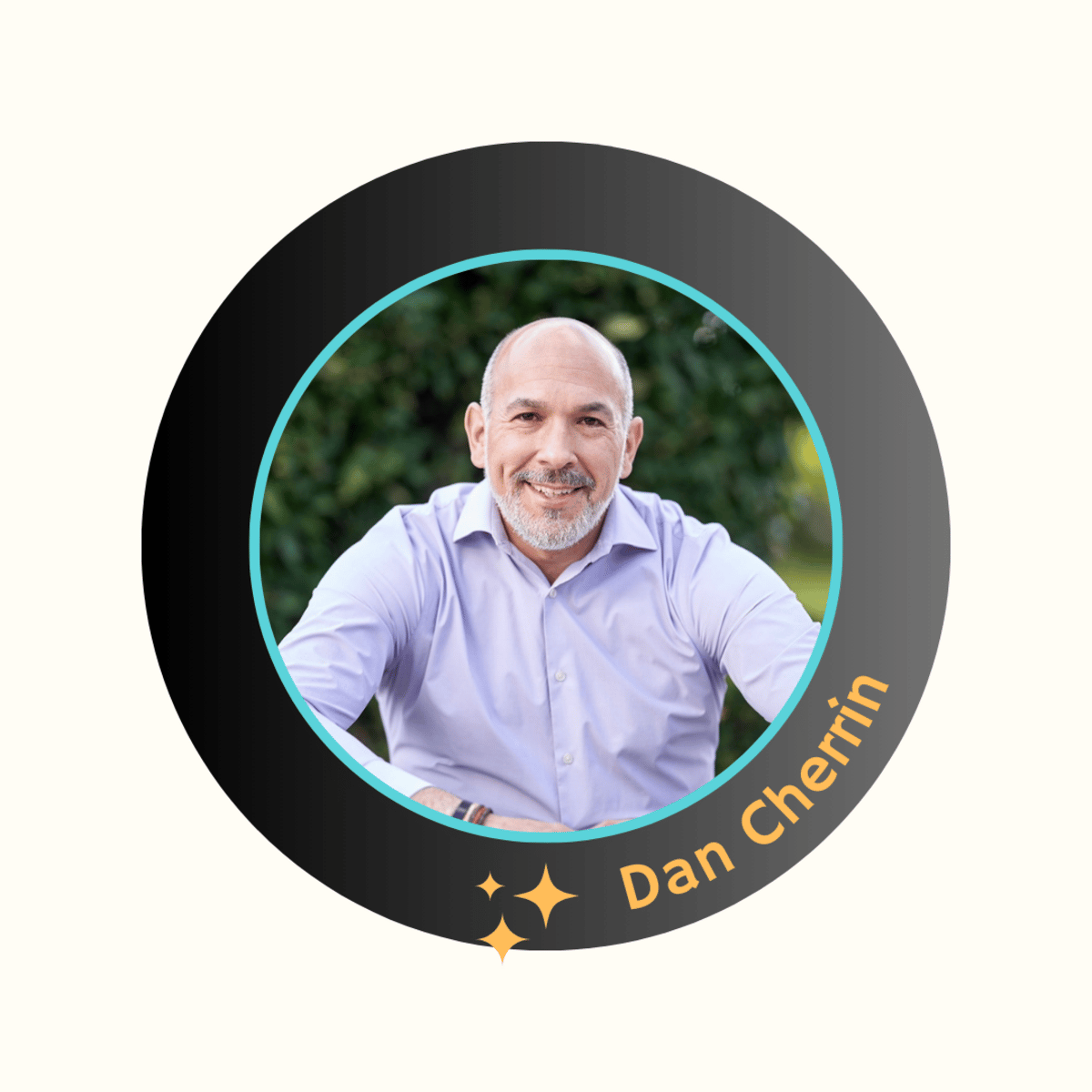
The behavioral health system is facing converging pressures, rising public-health risks that require strong provider leadership, and an organized push to derail the state’s PIHP procurement, making it essential for providers to stay grounded in facts, act early to keep clients safe, and remain vigilant as opponents work behind the scenes to preserve the status quo. Pull Up Your Chair & Let’s Start the Conversation.
Public Health
What Behavioral Health Providers Need to Know Now About Vaccines, Overdose Trends, and Safety
Michigan’s behavioral health system continues to operate inside overlapping public health pressures. Dr. Natasha Bagdasarian, the Chief Medical Executive for the State of Michigan and Dr. Avani Sheth, Chief Medical Officer for Wayne County Health, Human, and Veterans Services, recently spoke to providers and made it clear that providers play a central role in how communities understand risk, stay safe, and access care. The following points are the most important for leaders and frontline staff across behavioral health, based on their discussion.
Vaccinations remain essential for clients with complex needs
Vaccination rates in children, adolescents, and adults are at historic lows. Flu and Covid vaccination coverage in Out-Wayne County is especially low for people under sixty five. For behavioral health providers, this is not just a medical concern. Many clients have underlying conditions, transportation challenges, limited primary care access, or social stressors that increase their vulnerability.
Providers can help by initiating conversations, correcting misinformation, and making referrals. Clients trust their case managers, therapists, peer specialists, and recovery coaches. A simple message can prevent serious illness: talk with your doctor, your pharmacist, or the local health department about getting vaccinated before winter virus season peaks.
Overdose deaths are rising and the drug supply is changing
Fentanyl continues to drive four out of five overdose deaths in Wayne County. Cocaine is involved in nearly half. More than half of all overdose deaths involve more than one substance. Many clients do not know their drugs contain fentanyl, xylazine, or other sedatives that slow breathing and increase the risk of fatal overdose.
Behavioral health providers need to assume contamination across the drug supply. Encourage clients never to use alone. Promote harm reduction as a survival tool, not a judgment. Make sure clients know how and when to use naloxone. The Well Wayne network has eighty access points for free naloxone and test strips. Providers should keep kits on hand, normalize their use, and teach families and peers how to respond.
The strongest message is simple. Shake and shout. Call 911. Give naloxone. Give rescue breaths. Repeat naloxone every two minutes if needed.
Gun violence is a behavioral health and community safety issue
Gun violence is a growing public health emergency in Michigan. For many clients, exposure to violence worsens trauma, increases substance use, and destabilizes recovery. Behavioral health providers are often the first to notice early warning signs or sudden behavioral changes.
Providers can strengthen safety by talking openly about risk, asking about firearm access, reinforcing safe storage practices, and connecting clients to community resources. Conversations about safety do not need to be political. They need to be practical, grounded, and centered on keeping people alive.
Trusted messengers matter.
Clients rely on behavioral health providers to help them navigate uncertainty. That means clear communication, consistent messaging, and a willingness to address misinformation directly. Several resources support this work. MDHHS public health dashboards offer real-time data on overdose trends, vaccine uptake, and community health indicators.
The MDHHS public health newsletter provides timely updates.
MiHealthComms offers unbranded content behavioral health providers can share to counter misinformation.
End Overdose Wayne offers multilingual fact sheets, posters, and toolkits for harm reduction.
Behavioral health providers are often the most trusted source of information a client has. When providers act early, speak clearly, and connect clients to the right tools, the system becomes safer. The work is not only about treatment. It is about helping people stay alive long enough to benefit from it.
Resources:
Newsletters - Subscribe to the MDHSS Michigan Clinical Provider Brief here.
Opioids - Real-time “Overdose Reports” in Michigan, MDHHS
Real Time Data + Trending Issues - District by District Public Health Data, MDHHS. Here is a newsletter on trending issues and social media content to share in countering misinformation. Sign up here. Michigan Health Communications Initiative.
Watch the event (Live-streamed) here via YouTube
Behind the Quiet: What Providers Need to Know About the Push to Halt Michigan’s Behavioral Health Procurement
The RFP has closed and bid evaluations are underway. A court hearing is set for December 8. Opponents of the state’s procurement process are mobilizing behind the scenes to reframe the debate, cast doubt on the legitimacy of the RFP, and argue for an alternative system that preserves the status quo. This week’s action alerts from the Community Mental Health Association of Michigan make that strategy clear. While positioned as collaborative, the messaging is designed to stop the state’s efforts, and slow down reform.
What is happening behind the scenes
The PIHP lobby is asking its network to contact legislators, the Governor, and the Lieutenant Governor to call for an immediate halt to the RFP. They continue to push a narrative of “privatization,” despite the fact that the RFP does not privatize care and does not eliminate the statutory role of CMHSPs. They are pushing for an alternative system design process that would, in effect, keep control with existing entities and push the state back into another multi-year debate that never results in structural change.
The messaging of the PIHP lobbyists repeats several themes.
That the current public system is willing to co-design bold changes but only if the RFP is withdrawn.
That MDHHS has overstepped by pursuing procurement without first negotiating the redesign.
That privatization remains an imminent threat despite no evidence in the RFP.
That Michigan should avoid the experiences of other states that have pursued structural change.
Their intent is to steer policymakers away from the state’s effort to procure conflict-free managed care functions.
What the courts have actually said
Judge Christopher Yates’ October rulings brought clarity to an issue that has fueled misunderstanding. The Court confirmed two important points.
First, MDHHS does have the authority to competitively bid PIHP functions.
Second, MDHHS cannot use the RFP to override the Mental Health Code or remove the statutory responsibilities of CMHSPs. Any redesign must occur within state law and with legislative oversight. In fact, the RFP says that the PIHPs must contact with the CMHSPs.
Together, these rulings affirm that procurement is lawful and appropriate when done within the framework of the Mental Health Code. They do not stop MDHHS from evaluating bids or preparing for awards. The December 8 hearing will address remaining questions, but it is not a ruling on whether the whole RFP must be abandoned.
Bob Riney, President and CEO of Henry Ford Health said it best in a recent editorial to the Detroit News,
When a system keeps breaking in the same places, there comes a time when you need to stop patching and start redesigning. That’s where our health care system in Michigan is today.
While the article was not about the state’s procurement, his quote is both timely and relevant. This is where strong, calm leadership matters.
Procurement is not privatization. The state is purchasing managed care functions that federal law requires, and many states competitively procure these roles.
CMHSPs maintain their statutory responsibilities under the Mental Health Code. The Court confirmed this.
Reform is necessary because the current system has too many layers, too much administrative variation, and too little uniform accountability.
Many of the problems that providers and families experience today cannot be solved without structural change.
The RFP does not remove CMHs from the system. It clarifies functions, simplifies management, and increases accountability.
The state is acting within its rights, and the Court confirmed that competitive bidding is permissible.
Delaying or blocking procurement keeps the system fragmented and delays improvements in access, equity, and care coordination.
Why the state is moving forward
Michigan has been debating redesign for more than a decade. Reports, workgroups, stakeholder sessions, and legislative proposals have not produced the clarity or consistency the system needs. The RFP was introduced because the public system is stretched thin, inconsistent across regions, and difficult for families to navigate. Competitive bidding allows the state to set clearer expectations, strengthen conflict-free management, and address long-standing issues around rates, administrative duplication, and oversight.
What matters most is staying grounded in facts, law, and the real needs of the people served. Michigan can improve the system without dismantling the role of CMHSPs. The state has the authority to procure. The Court has affirmed the boundaries of that authority. Reform requires clarity, accountability, and the willingness to move forward.
Dive Deeper
ICYMI
PHI released its Direct Care Worker Impact Report and The Path Forward: Preserving, Strengthening, and Reimagining Care in the United States
Steve and Connie Ballmer’s philanthropic foundation, The Ballmer Group, announced that it is donating $170 million per year for the next decade to fund 10,000 free preschool slots in Washington state’s Early Childhood Education Assistance Program… (The Ballmer Foundation is active in Michigan)
Proposals
MDHHS seeks proposals for community-based mobile
behavioral health crisis response initiatives
The Michigan Department of Health and Human Services (MDHHS) has issued a competitive Grant Funding Opportunity (GFO) for crisis response initiatives that would establish or expand community-based mobile crisis intervention services.
The purpose of this program is to provide increased behavioral health crisis service provisions across the state for all Michigan residents, regardless of location, diagnosis or insurance status. The intention of this grant opportunity is to allow agencies to implement new community-based crisis response initiatives and for existing programs to increase capacity.
This opportunity is open to any applicable local public entity, including federally recognized tribal governments and local health departments. The maximum total award for the full grant period, March 1, 2026, through Sept. 30, 2027, shall not exceed $1 million per applicant. A total of approximately $9.5 million in funding is available, and MDHHS anticipates issuing up to nine awards.
Grant applications must be submitted electronically through EGrAMS by 3 p.m., Friday, Dec. 5. For more information or to apply, visit the EGrAMS website and select "About EGrAMS" link in the left panel to access the "Competitive Application Instructions" training manual. The complete GFO can be accessed under the ‘Current Grants’ section under the “Specialty Behavioral Health Services” link and selecting the “MCCRC-2026” grant program. Learn more at GFO mobilie crisis NR.pdf.
The Michigan Health Policy Forum Fall 2025 Forum - Remix’
"Medicare, Medicaid, and Social Justice: Reflecting on the Ethical Implications of the Big, Beautiful Bill"
The presentations and all slide decks from the Fall 2025 Michigan Health Policy Forum are available on our website at https://michiganhpf.msu.edu/fall-2025-forum.
If you are a nonprofit behavioral health provider in Michigan, and not a member of the MI Care Council, MI Behavioral Health & Wellness Collaborative, or the Michigan Association of Substance Addiction Providers, or just interested in collaboration, please contact [email protected], for more information on the value of membership. If you know of someone who might find this content, please share this link to the newsletter.
Disclaimer: This newsletter is intended for informational purposes only. Sources have been cited where applicable, and while some content may have been drafted with the assistance of AI, all material has been reviewed and edited by humans. We strive for accuracy, but if you believe something is incorrect or misrepresented, please reach out via direct message so we can review and correct the record if necessary.
