Schools in Michigan are left with a difficult choice in laying off mental health workers now that funding is dry.
In 2021, Michigan launched a $240 million initiative to boost mental health support in schools, hiring 874 professionals statewide. As COVID-19 induced distress among students, the roles of counselors, social workers, psychologists, and nurses were expanded. Now, with state funding drying up, these positions are at risk.
Districts benefited significantly from the additional staff, enhancing proactive mental health services and support stability. However, as the program's funding ends, school leaders face difficult budgetary decisions, potentially leading to staff reductions.
Lawmakers acknowledge the ongoing need but face financial constraints with depleted pandemic-era funds. The future now depends on local districts' ability to sustain these critical roles independently amidst calls for continued state support in mental health and school safety.
This funding cliff comes when the demand for mental health services in schools remains high, pressing Michigan to find sustainable solutions to keep these essential services in place. Read the full story in Bridge Magazine.
01
Supportive Housing Provides Behavioral Health Aid, Affordable Housing For The Homeless
A state Senate committee is looking at "supportive housing" programs, where longtime homeless individuals with substance abuse or other behavioral health issues can receive affordable housing with support services readily available to them.
During a Senate committee meeting in Lansing last week, figures in supportive housing presented their findings and experiences, offering vital information for providers. Catherine Distelrath, director of the Michigan team to the National Corporation for Supportive Housing, emphasized that tenants in these programs pay no more than 30% of their income towards rent while receiving essential support services tailored to help maintain their housing and address complex challenges. Molly Smith from Avalon Housing shared practical examples from her organization, which has significantly reduced tenant caseloads thanks to recent funding increases. Their presentations highlighted the need for highly skilled staff capable of managing a variety of mental health, substance abuse, and other behavioral health needs. This focus on robust support services and sustainable funding models in Lansing offers a blueprint for providers looking to enhance their supportive housing initiatives. Source MIRS.
02
Behavioral Health Officials See Paperwork In The Way
Mental and behavioral health industry officials warned a House Appropriations subcommittee today that a growing workforce shortage is creating a growing pile of paperwork.
During a State Senate committee meeting last week, Matt Maskart, CEO of Pathways Community Mental Health, expressed urgent concerns about the overwhelming administrative burdens that public healthcare workers face, which detract significantly from patient care. He cited the frustration of experienced professionals who find the excessive paperwork incompatible with their mission to serve patients, leading to high turnover rates. Alan Bolter from the Community Mental Health Association of Michigan echoed these sentiments, criticizing the length and complexity of clinical paperwork as "real bloat." In response, Sara Lurie outlined actionable solutions, such as utilizing federal accreditations to streamline state certification processes and proposing reductions in the frequency and scope of audits to ease these administrative pressures. Lurie also highlighted upcoming disruptive changes mandated by the Department of Health and Human Services, which could further complicate the service delivery model, stressing the need for thoughtful system redesign to support providers and patients effectively. Source MIRS.
03
CMHA Gears Up for Advocacy Push on CFAP Requirements
The Community Mental Health Association (CMHA) of Michigan is intensifying its advocacy efforts to challenge and propose alternatives to the federal Conflict Free Access and Planning (CFAP) requirements as currently implemented by the Michigan Department of Health and Human Services (MDHHS). In a strategic move, CMHA is planning a comprehensive legislative and media campaign slated for later this April, following constructive dialogues with MDHHS and heightened concerns from state legislators influenced by extensive feedback from CMHA members. Providers can anticipate detailed updates on advocacy strategies and are encouraged to remain engaged in this critical effort, which aims to ensure the CFAP modifications truly benefit those served by community mental health providers.
04
SAMSHA Grant Opportunities for Behavioral Health Workforce
Last week, the Substance Abuse and Mental Health Services Administration (SAMHSA) announced two Notice of Funding Opportunities (NOFO) for programs intended to bolster the behavioral health workforce. SAMHSA announced $15.3 million in grant funding for the Minority Fellowship Program, which seeks to recruit, train, and support master’s and doctoral-level students in behavioral health care professions to address service disparities for racial and ethnic minority groups. SAMHSA also announced $8.9 million in grant funding for Addiction Technology Transfer Centers Cooperative Agreements, which seeks to develop and strengthen the workforce that provides treatment and recovery services. Applications for both programs are due June 10, 2024.
Related Story: New SAMSHA Funding for Community Based Mental Health - The National Law Review, The National Law Review
05
Senate Finance Subcommittee on Health Hosts SUD Roundtable
On April 9, the U.S. Senate Finance Subcommittee on Health Care convened a roundtable to discuss enhancing the treatment of substance use disorder (SUD) within federal health programs. Participants, including health experts and lawmakers, highlighted several systemic barriers, such as treatment prior authorization, low reimbursement rates, and overall funding inadequacies that hinder effective SUD treatment. Key focus areas during the roundtable included increasing access to care through peer support specialists, enhancing reimbursement rates, and implementing comprehensive care models like certified community behavioral health clinics (CCBHCs). Witnesses advocated for a continuum of care approach, increased availability of methadone, and strategies to reduce the stigma associated with SUD. Legislative support was strong from both sides, indicating a bipartisan effort to address these challenges through potential policy adjustments and funding enhancements. Watch the discussion or read a summary to learn more.
BONUS READING
House Energy and Commerce Subcommittee on Health Considers Telehealth Legislation
Last week, the U.S. House Energy and Commerce Subcommittee on Health examined several legislative proposals to expand access to telehealth services beyond the current December 2024 expiration of COVID-19 public health emergency flexibilities. The discussion highlighted bipartisan support for permanent extensions through potential legislation like the Telehealth Modernization Act of 2024 (H.R. 7623), which would remove geographic restrictions and expand practitioner eligibility under Medicare. Concerns were raised about maintaining quality care and preventing fraud and overutilization as telehealth services become more integrated into regular healthcare practices. Various bills were considered, including promoting mental health services via telehealth and enhancing Medicare reimbursement for telehealth providers. The Subcommittee is looking at a comprehensive approach to ensure telehealth remains viable and cost-effective for delivering healthcare services post-pandemic.
The hearing can be viewed online, and a summary is also available.
ICYMI
Tuscola County to get $2.9 million in opioid settlement funds (Advertiser)
Bridging the Gap Between Physical and Mental Health MedCity News
One-third of older adults report visiting retail clinics (Retail Brew)
Life-Saving Narcan Vending Machine Access Expanded in West Michigan through Blue Cross Blue Shield of MI, Cherry Health Partnership (MI Blues Perspectives)
Grand Rapids health company deploys Narcan vending machines (Vending Times)
Behavioral Health, Interoperability and eConsent: Meeting the Demands of CMS Final Rule Compliance (MedCity News/Webinar)
MDHHS Behavioral Health Loan Repayment Program offered to help retain, attract providers through student debt relief

Detroit News
FUNDING OPPORTUNITY
MSU Impart Alliance has received a $25M grant from the Michigan Department of Health and Human Services, funded by the American Rescue Plan Act, to establish a Direct Care Career Center to enhance the capabilities of direct care workers (DCWs) in Michigan. This initiative addresses the critical shortage of DCWs through non-wage strategies under the Home & Community-Based Services (HCBS) Spending Plan. As part of this project, "mini-grants" are being offered to DCW employers to develop innovative solutions to this workforce shortage, with grants up to $350K, and average awards expected to range from $50K to $150K. Eligibility for these grants is limited to organizations employing DCWs in HCBS settings, excluding those that do not hire DCWs or are ineligible for federal funding. The grant period ends on September 30, 2024, with a possibility of extension and additional funding extending to March 31, 2025, depending on future approvals and funding availability. For more information – review the RFP Overview and Application guidelines linked below or visit us at https://impartalliance.msu.edu.
EVENTS
WEBINAR: MDHHS will explore the new policy providing reimbursements through Medicaid. Timothy McNeill from Freedmen's Health consulting firm will cover the recent policy changes to reimbursements through Medicare. Learn about the ins and outs of payment changes and how they work for social and healthcare providers and communities. CHWs are valuable resources for health in communities across our state, linking residents with vital resources, information, and connections to care. These new policies provide an opportunity to expand services to improve health in various ways. In our second webinar later this fall, we'll hear directly from CHWs on how the policies work in different care settings and learn about their experience with implementation and reimbursements. Register to join us on May 2 by clicking the link below. Questions? Contact Grace Brooks at [email protected].
What: CHW Payment Policy for Medicaid and Medicare
When: Thursday, May 2, 2024, 10:00 - 11:30 a.m.
Where: Zoom
Who: Health Fund grantees, care providers, and care communities
Register: Health Fund
Registration is now open for the Michigan League for Public Policy’s 2024 Public Policy Forum at the Lansing Center on April 15, 2024. This year's theme, "Economic Justice for All," promises insightful discussions on public health improvement and eradicating social and economic injustices, featuring keynote speakers Dr. Mona Hanna-Attisha and Dr. Luke Shaefer. A panel moderated by Zoe Clark, with experts including Linh Song, Kim Trent, and Aditi Shrivastava, will explore cash's role in alleviating poverty and enhancing children's outcomes. Open to a broad audience, from policymakers to community members, this free forum aims to forge a bold path for economic justice in Michigan. Register here.
Rep Brabec Coffee Hour—The next Coffee Hour for Rep. Brabec will be hosted in person at Brewed Awakenings Cafe, located at 7025 E. Michigan Ave. in Saline, on Saturday, April 20, from 10-11 a.m. This event offers an opportunity to chat, ask questions, and discuss representation in Lansing.
The Michigan Health Policy Forum (Michigan State University) is set to present its Spring 2024 Forum titled "Breaking Barriers, Building Bridges: Unleashing Innovation in Behavioral Health Care" on Monday, May 20, 2024, from 1:00 to 4:30 PM. An optional networking luncheon will precede the event from 12:00 to 1:00 PM. This in-person event will take place at Lansing Community College West Campus, 5708 Cornerstone Drive, Lansing, MI, offering free parking and limiting in-person attendance to 125 people. Registration for the luncheon requires a fee of $15.00, and attendees must register individually with their name and email. For those unable to attend in person, a livestream option will be available without registration, with the link to be distributed later. Further details, including the agenda and speaker information, can be found on their website at michiganhpf.msu.edu. For inquiries, contact [email protected].
Upcoming Political Events
This newsletter does not endorse candidates or parties.
Monday, April 22, Rep. Kelly Breen with Secretary of State Jocelyn Benson, Buddy’s Pizza in Novi. Please RSVP to: [email protected]
Thursday, May 30th. Michigan House Democratic Fund - Mackinac Island Reception Time: 11:00 am-12:30 pm, Mustang Lounge, Mackinac Island, MI 49757, RSVP to [email protected]
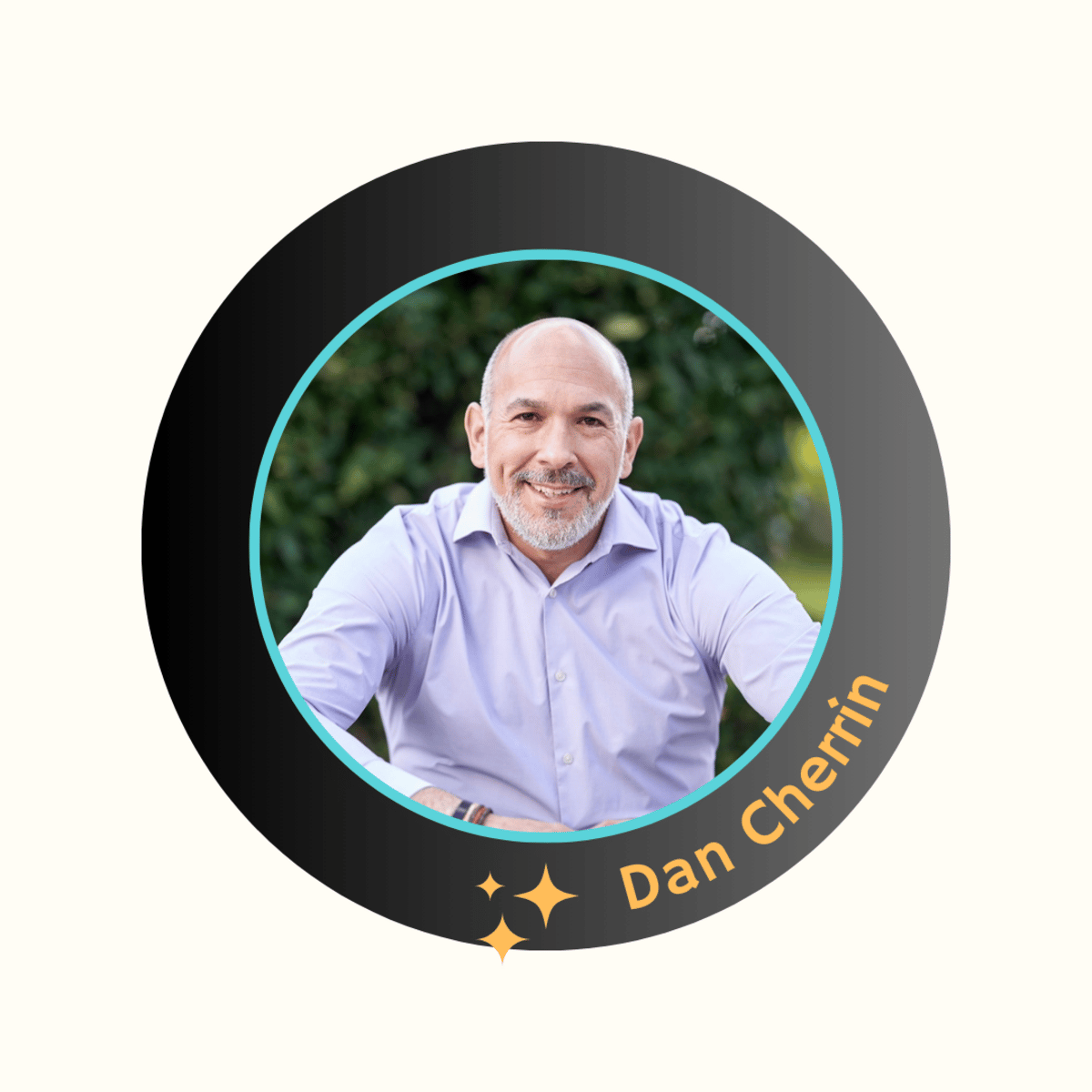
If you have an event you want to share, please get in touch with Daniel Cherrin.