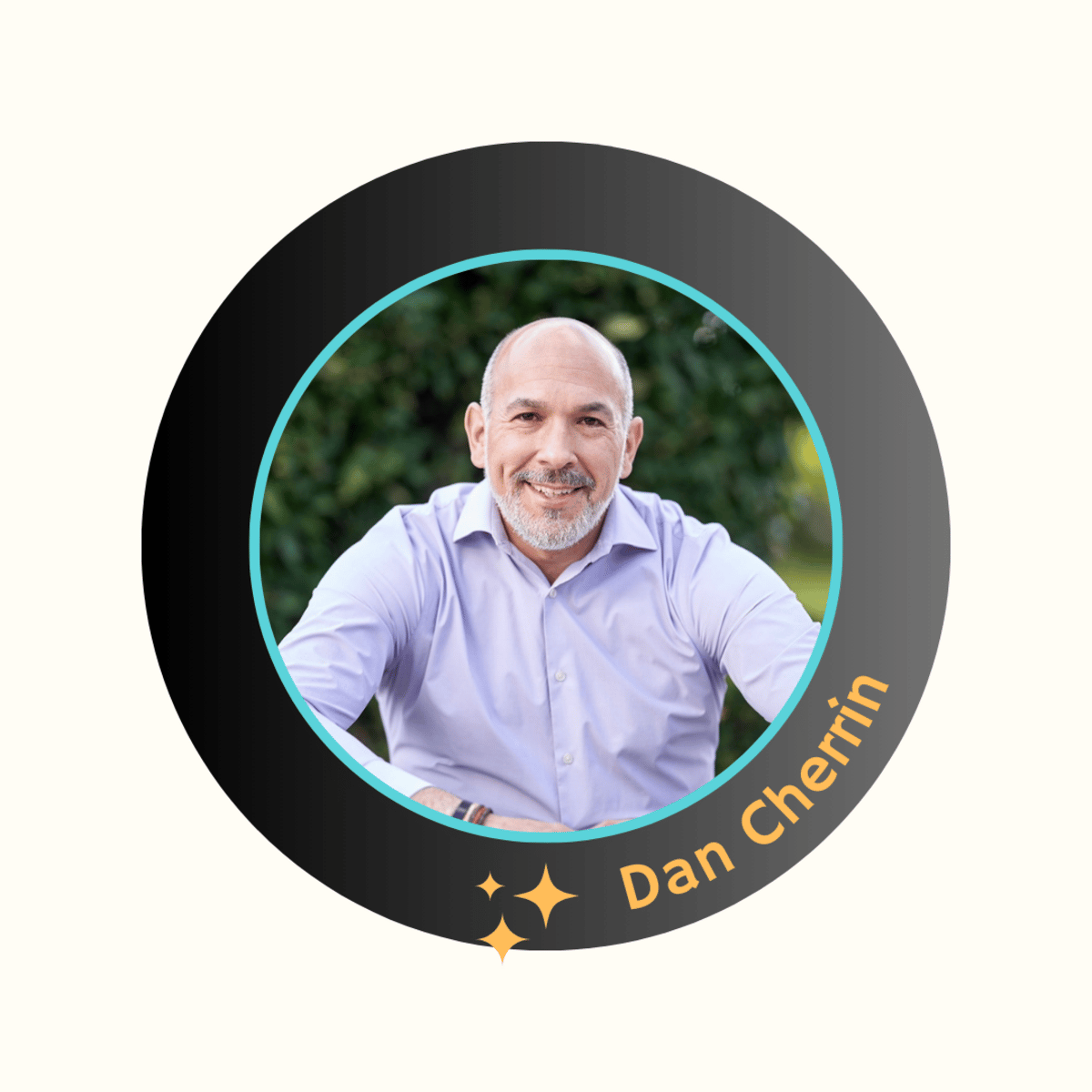
Each week, we compile and share stories from the past week focused on behavioral health, SUD, social services, and nonprofits centered in Michigan but across the United States. If there are specific topics that interest you, please let us know. This newsletter's information, content, and materials are for general informational purposes only. They do not constitute legal advice or investment advice. At times we may use AI to summarize an article. If something shared needs to be corrected, is misrepresented, or there are gaps in information, please let us know so we can make the necessary corrections.
01
FLSA Changes
The U.S. Department of Labor announced a final rule effective July 1, 2024. Standard salary rises to $844 per week ($43,888 yearly), then to $1,128 per week ($58,656 yearly) on January 1, 2025. Every three years thereafter, updates occur. Employees must meet salary and duties criteria to be exempt. Highly Compensated Employees' minimum salary threshold increases to $132,964 on July 1, 2024, and $151,164 on January 1, 2025. No changes to duties tests. Legal challenges may arise, but employers should prepare for the new rule by July 1, 2024. For more information about the final rule, review the FAQs. You can also tune in to SBAM’s Small Business Briefing from Thursday, April 25th, for a thorough discussion on what you need to understand and how to move forward.
02
Biden-Harris Administration Partners with States and Releases Data Recommendations to Strengthen the Direct Care Workforce
As part of Care Workers Recognition Month and an executive order aimed at improving access to quality care, the Biden-Harris Administration has partnered with 20 states to strengthen the direct care workforce. Through the Administration for Community Living's Direct Care Workforce (DCW) Strategies Center, states will receive technical assistance to enhance recruitment, training, and retention of home and community-based service providers for older adults and people with disabilities. Intensive assistance will be provided to six states (Alaska, Colorado, Delaware, Indiana, New Jersey, and New Mexico), while 14 others will participate in collaborative programs to share strategies and best practices. The U.S. Department of Health and Human Services (HHS) and the Department of Labor (DOL) also released recommendations to improve data infrastructure to support policy development for the direct care workforce. Additionally, an advisory committee comprising stakeholders from the direct care community has been formed to guide the center's efforts. Learn more in the HHS News Release.
Sign on to the Direct Care Wage Coalition Action Alert here.
03
MOUD Program Supports SUD Treatment in Jails
Michigan's correctional facilities are utilizing a Medications for Opioid Use Disorder (MOUD) program to provide substance use disorder (SUD) care to inmates, aiding their reintegration into society. DHHS awarded HMA a three-year contract to administer technical assistance to 24 county jails for MOUD program implementation or expansion. Focus is on high-need populations, addressing overdose disparities, particularly among Black residents. Funded by opioid settlement dollars, the project aims to reduce overdose risks during and after incarceration by enhancing MOUD program accessibility. Kalamazoo County Sheriff Richard Fuller highlights SUD treatment implementation, catering to inmates with SUD or mental health disorders. Read the full story here.
ICYMI
WEST MICHIGAN
MAPS students getting a 'big impact' from school health center, Manistee News Advocate
Steelcase funds Two FTE positions for MDHHS program in Kent County, News Release
SOUTHEAST MICHIGAN
Bridge Detroit, New Detroit clinic aims to shape infant mental health
News Herald (Southgate) Column: The intersection of mental health and law enforcement
AIAG Announces New Partnership with Judson Center, The Bakersfield Californian
STATEWIDE
MOUD program helping Michigan jails provide SUD treatment to inmates, State of Reform
UPPER PENINSULA
LANSING AREA
NATIONAL
National Governors Association, The Emerging Field of Behavioral Health Paraprofessionals
Mindfully American States Dealing With the Largest and Smallest Substance Abuse Patient Rates
10 states with the best in-network parity for psychiatrists, Becker’s Behavioral Health
FTC Bans Noncompete Agreements - The FTC voted to ban noncompete agreements that prevent employees from working for competitors or starting a competing business after they leave a job. Read more.
EVENTS
The Michigan Health Policy Forum, Monday, May 20, 2024, from 1:00 to 4:30 PM, at Lansing Community College West Campus, 5708 Cornerstone Drive, Lansing, MI. For inquiries, contact [email protected].
Mackinac Policy Conference May 28-31, Mackinac
CMHAM Fall Conference Traverse City, Oct 21-22
Upcoming Political Events
This newsletter does not endorse candidates or parties.
Thursday, May 30th. Michigan House Democratic Fund - Mackinac Island Reception Time: 11:00 am-12:30 pm, Mustang Lounge, Mackinac Island, MI 49757, RSVP to [email protected]
If you have an event you want to share, please get in touch with Daniel Cherrin.