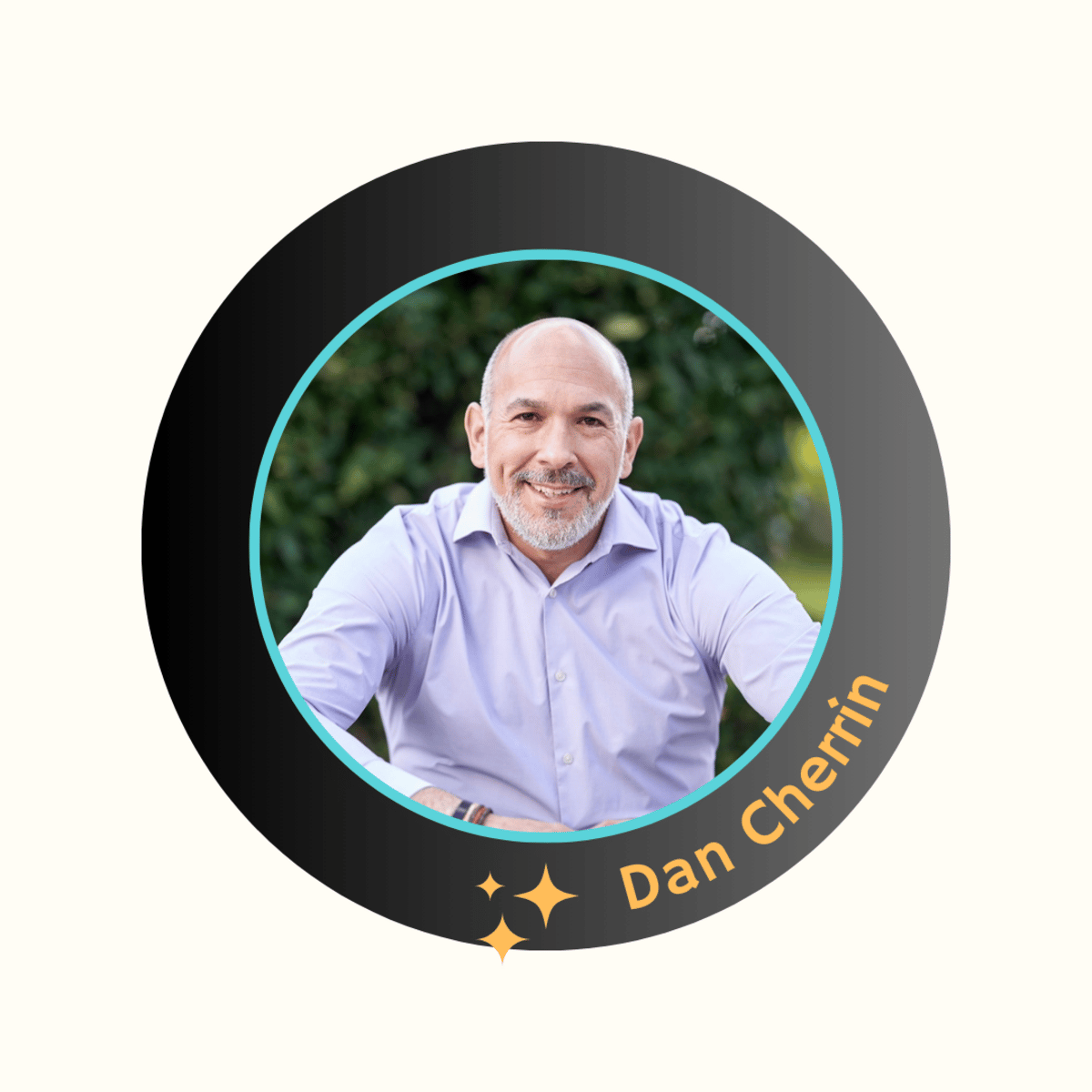

Before you head Up North for the Mackinac Policy Conference or settle into the long weekend, I’m sharing this early edition of Pull Up Your Chair—because there’s a lot to take in. This week’s conversation centers on three big takeaways:
Behavioral health reform is back in the spotlight, with new materials from MI Care Council challenging the status quo and offering real solutions.
Congressional decisions are shifting Medicaid policy, with House passage of H.R. 1 putting mental health protections and funding models into flux.
A new MDHHS report on children’s health raises urgent questions about the systems we’ve built and where we go next.
Wishing you a meaningful holiday weekend. Whether you’re traveling or reading from home — Pull Up Your Chair & Let’s Start the Conversation.
Behavioral Health Reform Searches for the Spotlight as Mackinac Policy Conference Begins
As the Mackinac Policy Conference gets underway, Michigan’s behavioral health system is once again in the spotlight—this time with a renewed focus on transparency, accountability, and improved access to care. This week, the Michigan Department of Health and Human Services (MDHHS) released the results of a statewide behavioral health care survey alongside new details on its upcoming competitive procurement process for Prepaid Inpatient Health Plan (PIHP) contracts.
The survey, which drew more than 2,600 responses from individuals, families, providers, and advocacy groups, highlighted key challenges and opportunities in the system—especially around provider availability, service access, and system complexity. Informed by this feedback, MDHHS is advancing a procurement strategy anchored in four pillars: timely, high-quality services; increased choice and regional consistency; improved accountability; and reduced bureaucracy.
MDHHS Director Elizabeth Hertel noted that the shift to a competitive process is designed to “create a more accessible and person-centered system of care,” while early publication of contract expectations aims to ensure readiness and strong proposals from interested regional partners.
As organizations representing behavioral health providers across Michigan, the MI Care Council, MI Behavioral Health & Wellness Collaborative, and the Michigan Association of Substance Addiction Providers welcomed MDHHS’s direction. “A well-designed system can move us beyond bureaucracy and into a future where access and outcomes—not process—drive the work,” said Daniel Cherrin, speaking on behalf of the three organizations. “This is Michigan’s moment to build a system rooted in impact and transparency, where care is consistent, conflicts are removed, and every Michigander gets the support they need, no matter where they live.”
For those attending the Mackinac Policy Conference or following along from home, materials outlining key issues, opportunities for reform, and promising models—such as Connecticut’s Administrative Services Organization (ASO) approach—can be found below and will also be shared on the Island throughout the week.
As part of the department’s commitment to transparency and planning, anticipated contract requirements are being released today on the MDHHS website to provide guidance about eligibility and evaluation for the upcoming RFP.
Additional information can be found at Michigan.gov/BehavioralHealth. There is also a recorded webinar with additional details.


MI Care Council Elevates Awareness for Behavioral Health Reform Ahead of Mackinac Policy Conference, (News Release)

ICYMI
The House Past the Big Beautiful Bill. The House of Representatives passed H.R. 1, the One Big Beautiful Bill Act, after a marathon 24-hour Rules Committee markup and intense intra-party negotiations. The bill includes significant Medicaid changes, such as exemptions from cost-sharing and work requirements for individuals with mental health or substance use disorders, an accelerated timeline for new work requirements, and reduced federal matching funds for certain populations. House Republicans also increased payment caps for non-expansion states while preserving higher existing rates. As the bill moves to the Senate, bipartisan resistance is already mounting, with leaders signaling major revisions ahead.
MDHHS Releases Its Report. On May 22, the Make America Healthy Again (MAHA) Commission released a report on the state of children’s health in the U.S., citing ultra-processed foods, chemical exposure, and medication overuse as key drivers of chronic illness. The report highlighted a staggering 1,400% rise in antidepressant prescriptions for adolescents between 1987 and 2014. Led by HHS Secretary Robert F. Kennedy Jr., the commission now has 80 days to develop a federal response strategy. Link to the Report.
System Shifts & Policy Progress
Budget Bill Accelerates Medicaid Work Requirements, Behavioral Health Exceptions Apply, Behavioral Health Business
Detroit Regional Chamber, This Week in Government: State Revenues Down, Which Could Factor Into Budget Fight Ahead
Senate Advances Bipartisan Fix to Expand Access to Court-Ordered Mental Health Treatment. The Michigan Senate unanimously passed a four-bill package (SB 219-222) to expand access to assisted outpatient treatment (AOT) by easing testimony requirements that have limited early intervention. Currently, petitions for AOT often stall unless a psychiatrist personally examines and testifies about the individual—something increasingly difficult due to Michigan’s severe psychiatrist shortage. The legislation would allow other qualified professionals to testify, helping divert individuals from jail and emergency rooms by getting them care earlier. Advocates say this shift could reduce pressure on hospitals and the criminal justice system while enabling recovery before a crisis escalates. Source MIRS.
Legislation Targets Mental Health Discrimination and Patient Rights in Michigan Healthcare. A bill heard in the House Health Policy Committee, HB 4277, would prohibit mental health history questions on medical license applications, aiming to reduce stigma and encourage help-seeking among physicians. Supporters, including the Michigan State Medical Society and the Dr. Lorna Green Heroes Foundation, emphasized how fear of losing a license deters doctors from getting care. The bill would preserve current practice by allowing only functional and safety-based questions. Lawmakers also took testimony on HB 4218 and HB 4219, which strengthen patient rights—ensuring that voluntarily admitted patients receive written notice of their rights and broadening representation on the Recipient Rights Advisory Council. Source MIRS Read testimony in support of HB 4218 and 4219 from the Mental Health Association in Michigan and Disability Rights of Michigan. in Michigan. And here are the minutes from that hearing.
On the Ground: New Developments and Openings
Ann Arbor News: Officials unveil new, expanded downtown Ypsilanti Health Center
Equity and Safety
Rep. Thompson fighting for patient safety, effective process for mental health care complaints, Rep. Jamie Thompson (R-Brownstone) - 05/21/2025
Press Release (Kent County): KCSO Arrests Local Social Worker for Inappropriate Communications with Minors
Urgent Concerns: The Psychiatric Bed Shortage
Not Enough Psychiatric Hospital Beds To Go Around. At a recent event hosted by University of Michigan Health-Sparrow, healthcare leaders raised urgent concerns about the state’s dangerously low number of psychiatric beds—just five per 100,000 residents, ranking Michigan near the bottom nationally. Dr. Dominic Barberio emphasized the growing gap between patient needs and system capacity, noting that emergency departments are increasingly bearing the brunt without adequate therapeutic support. With over two-week waits for state psychiatric beds, the Michigan Health and Hospital Association sounded the alarm during a legislative hearing this week. Rep. Matthew Bierlein (R-Vassar) acknowledged the crisis and is exploring legislative options. Providers across the state should prepare for engagement as solutions take shape. Source MIRS.
Provider, Public, and Community Voices
Lansing State Journal, MSU president names University of Oregon Dean Laura Lee McIntyre as next provost. MSU officials said McIntyre has a strong track record of forging community partnerships, helping to support the establishment of Oregon’s Ballmer Institute for Children’s Behavioral Health, which is implementing a new national model for expanding the mental health workforce.
NSO is proud to announce the launch of our new podcast series, The Silent Majority — a platform created to lift up voices too often left out of the conversation and shed light on the social issues shaping our communities. Listen on Spotify.
Broader Lens: National Trends & Insights
Drug Overdose Deaths Are Finally Slowing — Medicaid Cuts Would Undermine That Progress Overdose deaths are finally falling across the country, but a Health Affairs article warns that a wave of proposed Medicaid cuts threatens to reverse that progress by stripping away the very treatment lifeline that made it possible.
Quitting Is Strength: Changing the Narrative on Tobacco Use in the Military This new blog from the National Council takes a closer look at how tobacco became ingrained in military life and invites readers to rethink what true strength looks like when it comes to protecting the health of those who served.
A Quarter of Children Have a Parent With Substance Use Disorder, Study Finds This article from Newsweek discusses a JAMA Pediatrics study finding that nearly 19 million U.S. children live with a parent who has a substance use disorder (SUD), often involving alcohol, placing them at elevated risk for emotional distress, disrupted caregiving and future addiction.
Cigarette Tax Included in Final Indiana Budget Deal Indiana lawmakers approved a $2 per pack cigarette tax increase, the state’s first in 17 years and a 200% hike, aimed at addressing a $2 billion budget shortfall and projected to generate over $200 million in new revenue in the first year.
Innovation & New Platforms
Opportunities & Announcements
The Flinn Foundation's 2025 Grantmaking Cycle has begun!
Campaigns
A campaign to urge Congress to protect Medicaid - Protect MI Care
Wayne County Launches Public SUD Awareness and Anti-Stigma Campaign
The Wayne County Department of Health, Human, and Veterans Services (HHVS) is launching “End Overdose Wayne”—a public awareness campaign aimed at impacting stigma and empowering communities with the information and tools to prevent overdoses.

Visit EndOverdoseWayne.org for more tips, tools, and resources.
Webinars
Strengthening Integrated Care Systems and Cross-agency Collaboration
The National Council for Mental Wellbeing is hosting a webinar on “Strengthening Integrated Care Systems and Cross-agency Collaboration.” They are using Michigan’s Substance Use Disorder Health Home (SUDHH) model as an example in the webinar, Wednesday May 28, 3-4 p.m. EST. Participants will learn practical strategies for sustaining integrated care while addressing workforce challenges such as burnout, training gaps, and credentialing barriers. Register Today!

Politics
Retired Navy SEAL readies Tom Barrett challenge
Matt Maasdam, a retired Navy SEAL who carried the nuclear football for President Barack Obama, is preparing to run against Rep. Tom Barrett (R-Mich.). Maasdam is a University of Michigan grad who deployed to Afghanistan and Iraq, where he protected the Iraqi vice president. After the military, Maasdam worked as an executive for Under Armour. Emma Grundhauser, a former campaign aide for now-Sen. Elissa Slotkin (D-Mich.), is advising Maasdam. Slotkin was the last Democrat to hold the seat, which she vacated to run for Senate. Barrett has military credentials of his own as a former Army helicopter pilot. He beat Democrat Curtis Hertel Jr. by nearly four points in 2024. President Donald Trump carried the district narrowly. Source, Ally Mutnick - Punchbowl News
Finally,
MDHHS + LEO highlight resources during Mental Health Awareness Month
May is Mental Health Month and to help residents seeking services the Michigan Department of Health and Human Services (MDHHS) and the Department of Labor and Economic Opportunity (LEO) are highlighting resources available to Michigan families in need of behavioral health services.
“We want to ensure all Michigan residents have access to the behavioral health services when they need them, where they need them and at the level of care they need,” said MDHHS Director Elizabeth Hertel. “Michigan agencies offer a variety of services, and we want to ensure residents are aware of these resources.”
988 available day and night
The 988 Suicide and Crisis Lifeline, previously known as the National Suicide Prevention Lifeline, is a 24/7 toll-free nationwide hotline where compassionate care and accessible support is available via call, chat or text. 988 is for anyone experiencing behavioral health-related distress – whether that is thoughts of suicide, mental health or substance use crisis or any other kind of emotional distress. People can also dial 988 if they are worried about a loved one who may need crisis support.
Gambling helpline provides connections to treatment
The Michigan Problem Gambling Helpline, 800-270-7117, is available for crisis intervention and referral to treatment. Trained and experienced counselors are available 24 hours a day, seven days a week by phone or virtually to provide immediate help to address issues related to gambling disorder, including screening services and referrals to treatment or support groups.
Investing in mental health and safety is critical to build strong workplaces
Employees and employers across the state are encouraged to review resources available at Michigan.gov/workplacementalhealth to build mental health strategies that have a positive impact on employee well-being, the employer’s bottom line and our communities.
"As we recognize Mental Health Awareness Month this May, let’s remember that supporting mental well-being isn’t just a one-month focus — it’s a year-round commitment," said LEO Director Susan Corbin. "When we address workplace mental health, it fosters a supportive environment where employees feel valued, understood and empowered to seek help when needed. By continuing to prioritize mental health, we create a stronger, more compassionate and more productive workplace for everyone."
LEO offers many resources to promote mental health and well-being in the workplace. The Workplace Mental Health report outlines key strategies for employers to build supportive organizations by integrating mental health strategies that establish healthier workplaces, enhance employee well-being and promote resilient companies.
There are also upcoming webinars about Cultivating a Workplace Culture of Well-Being. There are two upcoming sessions in this series scheduled for May 15 and June 12, and you can access previous recordings if you want to catch up on all the previous topics. These webinars cover a variety of topics including common mental health conditions, the impact of stigma at work, how to foster a supportive workplace and much more. To stay up to date on workplace mental health offerings, LEO encourages Michiganders to sign up for Workplace Mental Health email updates.
Certified Community Behavioral Health Clinics offer help to all
There are 35 Certified Community Behavioral Health Clinics (CCBHC) across the state, which serve all individuals with a behavioral health diagnosis, regardless of insurance or ability to pay. These clinics provide nine comprehensive behavioral health services, including 24/7 mobile crisis response and medication-assisted treatment for substance use disorders.
In FY24, CCBHCs provided services to more than 130,000 unique individuals. Michigan has been working to expand these clinics, and currently 82% of Michiganders now live in a county with 24/7 mobile crisis response.
Adult Crisis Stabilization Units provide support
Michigan currently offers two Adult Crisis Stabilization Units (CSU) through Network 180 in Kent County and Detroit Wayne Integrated Health Network in Wayne County.
Adult CSUs provide immediate crisis support to anyone in a behavioral health crisis with services ranging from a couple hours to up to 72 hours. Programs are focused on stabilizing individuals 18 and older with CSU staff providing support until the individual is actively engaged in their next level of care. These units are also equipped to manage and treat minor medical conditions so individuals in a behavioral health crisis aren’t sent to the emergency room for basic medical care.
Substance use disorder help available
Comprehensive substance use disorder (SUD) services are offered throughout Michigan to support the health and well-being of residents impacted by SUDs. Services focus on four key areas: treatment, recovery support, prevention and harm reduction. This includes medications for opioid use disorder and overdose reversal, inpatient and outpatient treatment, harm reduction programs and recovery community organizations and centers. Additional information is available at Michigan.gov/SUD. See News Release 2025 Mental Health Awareness Month.pdf
If you are a nonprofit behavioral health provider in Michigan, and not a member of the MI Care Council, MI Behavioral Health & Wellness Collaborative, or the Michigan Association of Substance Addiction Providers, or just interested in collaboration, please contact [email protected], for more information on the value of membership. If you know of someone who might find this content, please share this link to the newsletter.
Disclaimer: This newsletter is intended for informational purposes only. Sources have been cited where applicable, and while some content may have been drafted with the assistance of AI, all material has been reviewed and edited by humans. We strive for accuracy, but if you believe something is incorrect or misrepresented, please reach out via direct message so we can review and correct the record if necessary.
