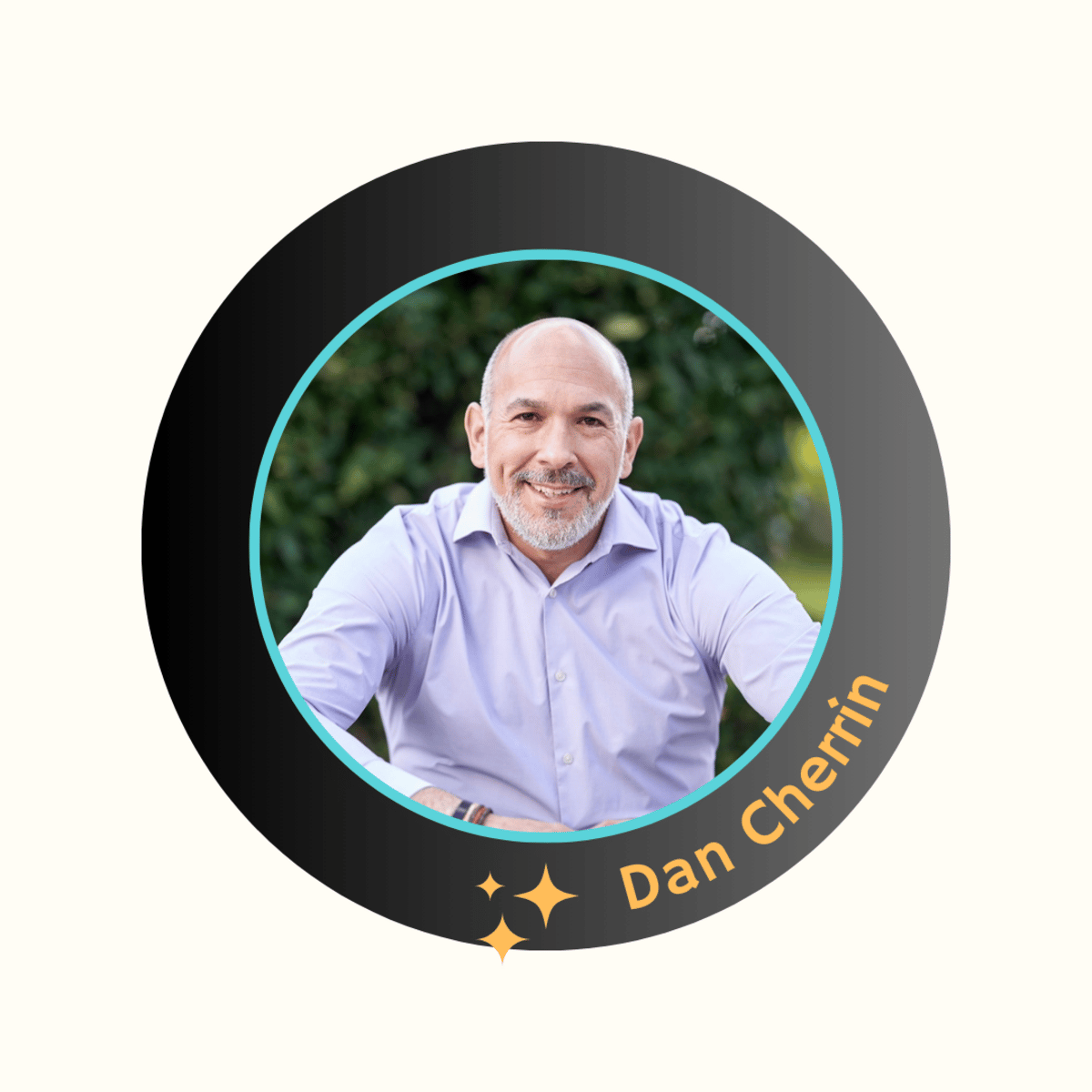
No matter what the outcome of this week’s hearing on the redesign, providers cannot wait for others to define the next chapter. Trust with CMHSPs will not be rebuilt through promises but through clear structural guardrails, conflict-free roles, and visible compliance with the new PIHP contract. Now is the time to reset how providers position their organizations moving forward, to show their readiness, and build professional relationships with the PIHPS and legislators. It is time for providers to shape the system of care, rather than stick to the status quo.
Pull Up Your Chair & Let’s Start the Conversation.
THE REDESIGN
Can CMHSPS Work with Providers on a Level Playing Field?
As Michigan prepares for its new behavioral health regions, one of the hardest questions facing providers is whether trust with their Community Mental Health Services Programs can realistically be rebuilt. For years, several CMHSPs have operated as both payor and provider, creating a structural conflict that shaped everything from rates and referrals to workforce competition and contract decisions. Now, with PIHP boards preparing to split off and become CMHSP-only boards, the question is not whether relationships should improve, but what must change for trust to have any foundation at all.
Trust cannot be restored through assurances or talking points. Repair requires structural alignment. Providers need clear acknowledgment that the old dual-role model created tensions that cannot follow us into the next system. Under the new PIHP contract, managed care functions cannot be delegated to CMHSP service lines, access must be conflict free, and statewide standards for referrals, network adequacy, grievances, and provider choice must be enforced with transparency. Rebuilding trust will depend on visible compliance with these requirements.
It will also require a new way of working together. Providers need a neutral space for joint problem solving, built on shared data and consistent expectations, not opaque decision making. They need CMHSPs to commit to the principles of beneficiary choice, fair competition, and equal access to information and opportunities. And they need assurance that decisions related to network changes, service realignments, or direct service expansion are based on objective data and disclosed openly.
Rebuilding trust is possible, but only if the system honors what providers have experienced and puts in place the checks, safeguards, and transparency that were missing for years. Michigan has an opportunity to reset these relationships on a healthier footing. That requires not just new structures on paper, but new behaviors in practice.
Dive Deeper
To listen to the Court of Claims Hearing, December 9, link here to the Court of Claims YouTube Page.
THE REDESIGN
What Providers Should Do Now to Build Relationships with the New PIHPs
Depending on the outcome of today’s Court of Claims hearing, MDHHS will soon announce the PIHPs that will manage behavioral health services across the state. Some regions may see the same organizations remain in place. Others may see a CMHSP take on a PIHP role for the first time, or a hybrid approach. Still others may see entirely new entrants. For providers, this moment is not simply a handoff. It is a reset point. The goal now is to establish strong, professional relationships early and avoid being left behind in the transition.
The first priority is readiness. Every PIHP, regardless of who holds the contract, will immediately look for providers who can demonstrate stability, compliance, reporting capacity, and the ability to meet Medicaid standards. Providers should be prepared to present their capabilities clearly. This includes insurance coverage, staffing plans, credentialing processes, data and record keeping systems, and any quality or audit history that speaks to reliability.
The second priority is outreach. Regardless of whether the organization is new, familiar, or a former CMHSP stepping into a new role, providers should introduce themselves early. PIHPs value partners who are organized, responsive, and proactive. A short capabilities summary is often enough to establish a starting point. The message should be simple. Here is who we serve. Here is the capacity we can bring. Here is how we ensure access, compliance, and quality.
The third priority is understanding how expectations may change. Providers should prepare to contract across entities and align operations with new statewide tools and processes. The clearer the provider can map its services to the needs of the new system, the stronger its position.
The fourth priority is collaboration. During a transition, providers often worry about competition, but the greater risk is fragmentation. When providers compete with each other instead of coordinating, PIHPs benefit by gaining leverage. Providers lose influence and stability. This is the moment to reinforce the provider voice and look for aligned partners who can present a cohesive community based network. Collaboration builds trust. It also strengthens negotiating positions and improves continuity of care for the people served.
The final priority is communication. Clients will need reassurance, especially in regions where a new PIHP replaces a familiar one. Providers should be prepared to explain how continuity of care will be protected. Clear communication also positions the provider as a thoughtful, organized partner that PIHPs can trust.
The transition to a new PIHP structure is a significant moment for Michigan’s behavioral health system. Providers who prepare early, reach out proactively, and present themselves as stable, community rooted partners will be positioned well, whether the new PIHP is a familiar face or an entirely new one.
Washington Updates
DOE Considers Changes to Graduate Degrees
According to the National Council for Mental Well Being, pursuant to provisions of H.R.1, the Department of Education (DOE) has recently proposed changes that may result in several graduate degrees, including social work and some counseling degrees, no longer being classified as “professional” programs. This change would limit the maximum available loan amounts for graduate students pursuing advanced degrees in these fields. The proposal would limit the annual amount of public loans an individual can obtain for graduate degrees to $20,500 per year and $100,000 over the course of one's lifetime. Medicine, osteopathic medicine, podiatry, chiropractic, optometry, pharmacy, dentistry, veterinary medicine, law, theology and clinical psychology would still be considered professional degrees, for which students can receive up to $50k per year and $200k total in public loans. Related resources providing additional background information include a summary of the proposal from Inside Higher Ed, a press release from DOE, and some information from NASW FL. If the rule is finalized, it is expected to become effective July 1, 2026. In related news, a final rule issued by the agency in late October would limit organizations’ eligibility to participate in the Public Service Loan Forgiveness (PSLF) Program. The final rule stems from an executive order, Restoring Public Service Loan Forgiveness issued in March, and would prevent taxpayer-funded PSLF benefits from being improperly provided to individuals who are employed by organizations that engage in activities that have a “substantial illegal purpose.” The rule is the subject of several lawsuits, including actions filed by 21 states and the District of Columbia, by a group of nonprofits and a coalition of cities, unions and advocacy organizations.(Source: December 5 2025 Capitol Connector email) |
News You May Have Missed
SUD
Trump signs drug treatment bill backed by Colorado representative, Kileen Daily Herald
Innovation
How Detroit Public Schools bridges the care gap with innovative Health Hubs – Model D, Model D Media
Openings + Expansions
ICYMI
EVENTS
Rural Michigan Opioid + Substance Use Summit, July, 2026 - Event Page
If you are a nonprofit behavioral health provider in Michigan, and not a member of the MI Care Council, MI Behavioral Health & Wellness Collaborative, or the Michigan Association of Substance Addiction Providers, or just interested in collaboration, please contact [email protected], for more information on the value of membership. If you know of someone who might find this content, please share this link to the newsletter.
Disclaimer: This newsletter is intended for informational purposes only. Sources have been cited where applicable, and while some content may have been drafted with the assistance of AI, all material has been reviewed and edited by humans. We strive for accuracy, but if you believe something is incorrect or misrepresented, please reach out via direct message so we can review and correct the record if necessary.
