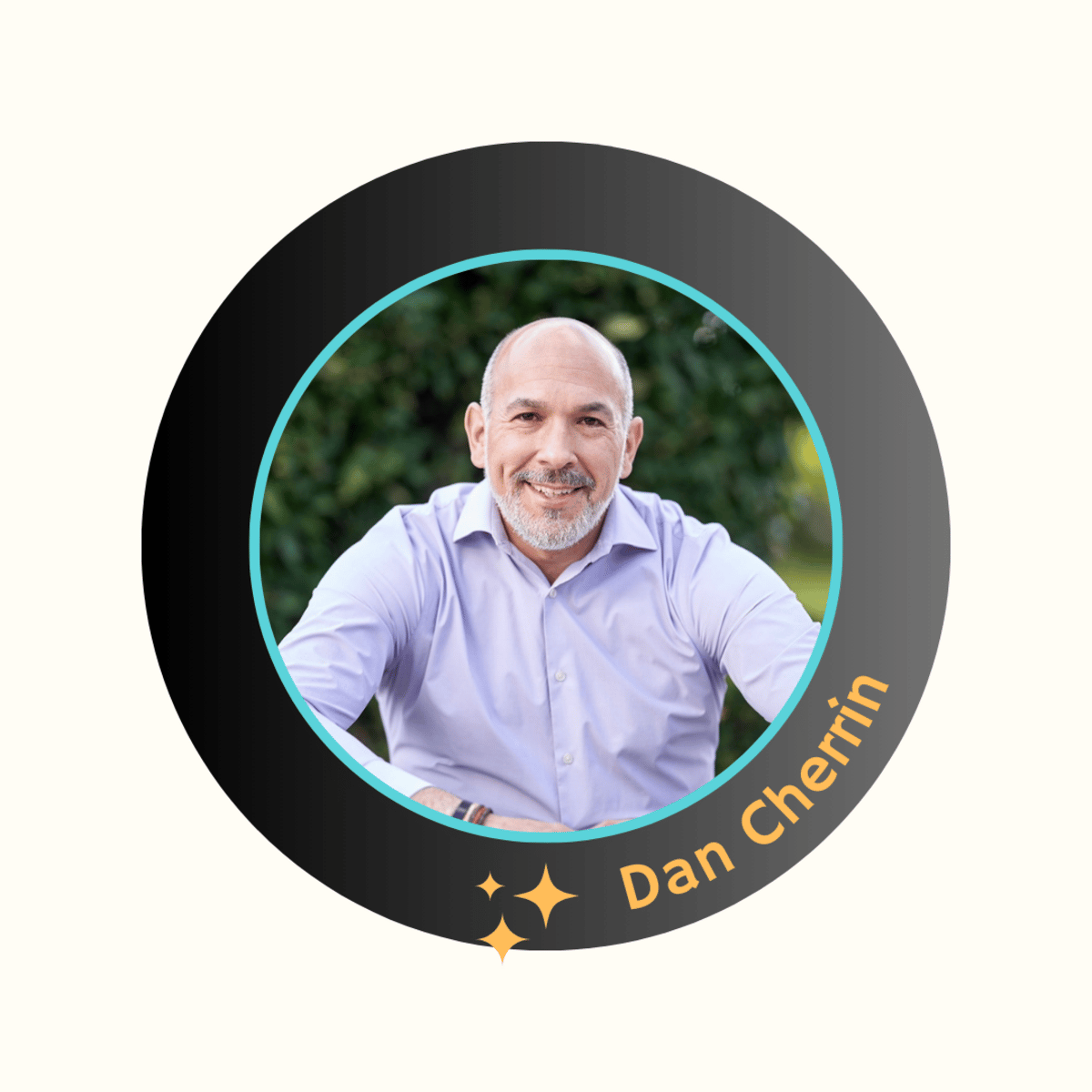
In this week’s issue, we make the case that Michigan’s behavioral health redesign will only succeed if trust is rebuilt through structural change. This includes removing conflicts of interest, enforcing consistent statewide standards, and integrating CCBHCs into a truly level, accountable system rather than asking providers to rely on assurances alone. Pull Up Your Chair & Let’s Start the Conversation.
Redesign Update
While an opinion was expected today, we did not see it. If there was one issued it is not yet on the Court’s website. I am checking regularly and so can you, REGION 10 PIHP V STATE OF MICHIGAN, COC 25-000143-MB. We will share the opinion once it is posted.
See,
Dickinson joins protest against mental health contract bidding, Iron Mountain Daily
CCBHC
Bipartisan legislation introduced in the Senate would establish a permanent funding structure under Medicare for Certified Community Behavioral Health Clinics.
The Ensuring Excellence in Mental Health Act, introduced by John Cornyn, R-Texas, Tina Smith, D-Minn., Thom Tillis, R-N.C., and Catherine Cortez Masto, D-Nev., last week, would formally authorize coverage of CCBHC services and create a designated payment model under Medicare, according to a Dec. 9 news release from Mr. Cornyn’s office. (See link above.)
The Consolidated Appropriations Act of 2024 codified the model as a permanent option under Medicaid, but no such structure exists in Medicare. The legislation would also expand grants, allow CCBHCs to integrate primary care, and create national infrastructure to track outcomes and quality across clinics, according to the release. Source: Becker’s Behavioral Health
Why Michigan Should Build a CCBHC Pre-Certification Cohort
With the redesign moving forward and a recent $72 million gift to Michigan from The Ballmer Group tied to CCBHC expansion (see story below), along with the legislation introduced by Sen. Cornyn (see above), now is a good time to talk again about Certified Community Behavioral Health Clinics (CCBHC).
Based on the CCBHCs in Michigan, we know it is a model that works. They provide same-day access, stabilize crises, connect people to care, and take pressure off emergency rooms, jails, and families. But there are many more providers in Michigan, who want to become CCBHCs and simply aren’t there yet. Not because they lack commitment or capability, but because becoming a CCBHC requires staffing, data systems, crisis readiness, integrated care, and reporting infrastructure that community providers have never been funded to build.
Michigan is receiving support from the Ballmer Foundation to strengthen community-based behavioral health. At the same time, MDHHS is moving forward with a statewide system redesign that aims for more consistency, more uniform standards, and a simpler pathway for people to get care.
A CCBHC Pre-Certification Cohort fits directly into this moment.
Other states that already have CCBHCs, Washington, Minnesota, Oklahoma, New Jersey, Nevada, built structured “readiness cohorts” to help providers move toward full certification. They didn’t wait for federal grants. They created pathways that helped clinics upgrade their infrastructure, build crisis capacity, and prepare for new statewide expectations. Michigan should take the same approach.
A pre-certification cohort would give interested providers the training, technical assistance, data support, financial modeling, and care coordination planning they need to reach the CCBHC standard. It would also help the state move toward the goals of the redesign: more consistency, better quality, clearer expectations, and fewer variations in access from one county to the next.
Creating cohorts can work to fill the gaps in rural communities and underserved areas. A structured pathway gives those communities a chance to build capacity instead of being left behind as the state raises expectations.
The timing is right. The funding is available. Providers want to participate. And Michigan is already reshaping the behavioral health system with an emphasis on accountability, transparency, and access.
Not every organization will become a CCBHC. But every organization that wants to build to that level should have a clear, supported pathway. One that aligns with Michigan’s redesign, strengthens access statewide, and gives communities more reliable places to turn when people need help.
Hospital Transparency Bill Moves Forward as Lawmakers Weigh Mental Health Code Rewrite
The House Health Policy Committee last week advanced a hospital price transparency bill before turning to testimony on a major rewrite of Michigan’s mental health code. SB 95 would require hospitals to publish the same price lists now mandated by CMS, preserving transparency should federal requirements change. The committee also heard from supporters of SB 501, which would enter Michigan into the Physical Therapy Licensure Compact to improve workforce mobility and patient access.
The bulk of the meeting focused on HB 4412, HB 4413, and SB 414, a package overhauling key sections of the mental health code to allow earlier intervention, expand assisted outpatient treatment (AOT), clarify peace officer authority, and broaden who may conduct evaluations. Supporters, including retired Judge Milton Mack, said the code still forces the system to “wait for crisis before acting,” contributing to repeated short hospitalizations, jail involvement, and homelessness for individuals with untreated serious mental illness. The bills aim to modernize statutory definitions, strengthen court-ordered outpatient care, and formally allow families to share information and request continued treatment. Advocates backed the direction but urged stronger safeguards against unnecessary or improper hospitalization and stressed the need for protections in low-resource communities. VanderWall closed by underscoring the committee’s shared goal: a mental health code that reaches people sooner and improves outcomes by preventing hospitalization whenever possible. Source MIRS.
Michigan Senate Panel Advances Bill Allowing Voluntary Do-Not-Sell Firearm List for Those at Risk of Suicide
The Senate Civil Rights, Judiciary and Public Safety Committee last week heard emotional testimony on SB 539, Sen. Rosemary Bayer’s bill allowing individuals experiencing suicidal thoughts to voluntarily place themselves on a temporary or indefinite do-not-sell list for firearms. Bayer, who lost two loved ones to suicide, called the measure a new prevention tool that adds “a delay and a safeguard” for people acting in moments of crisis. The legislation follows national “Donna’s Law” efforts adopted in several states after the death of Donna Nathan, whose family believes she would have used such a list. Supporters, including University of Alabama law professor Dr. Frederick Vars and the Michigan State Medical Society, emphasized that voluntary do-not-sell lists give people with mental illness a way to protect themselves during periods of clarity. Suicide rates in Michigan continue to rise, with firearms involved in more than half of deaths in 2022. SB 539, which lays out processes for temporary and indefinite enrollment and penalties for fraudulent submissions, advanced out of committee Wednesday.
MDHHS to invest $37.5 million in opioid settlement
funds to further expand recovery housing across Michigan
More than 200 new recovery beds created in past two years
As part of a statewide strategy designed to save lives and reduce overdose deaths, the Michigan Department of Health and Human Services (MDHHS) plans to invest $37.5 million into stable housing to help Michigan residents recover from substance use disorder (SUD). This funding is part of the FY 2026 state budget that includes $131.75 million for SUD prevention, harm reduction, treatment and recovery services.
"Ensuring someone has a safe place to live is one of the most powerful resources we can provide to prevent setbacks in recovery,” said Elizabeth Hertel, MDHHS director. “These investments provide people in recovery with the security, structure and dignity they need to thrive. By directing opioid settlement funds to stable housing, we are creating meaningful, lasting change in communities across the state.”
A recent analysis by MDHHS found that more than 7,500 discharges from publicly funded SUD treatment annually resulted in people leaving treatment without stable housing. To address this gap, the department has set a goal to create 3,467 new recovery housing beds by 2028, an increase of 40%.
Michigan is slated to receive more than $1.8 billion from national opioid settlements by 2040, with half being distributed to the State of Michigan Opioid Healing and Recovery Fund and the other half being distributed directly to county, city and township governments. Over the last several years, MDHHS has distributed settlement funds in support of the state strategy addressing prevention, harm reduction, treatment and recovery. This allowed the state to expand recovery housing by more than 200 beds in the last two years through $8 million in investments.
“We know that the transition out of treatment is one of the most critical times for individuals with substance use disorder,” said Dr. Natasha Bagdasarian, chief medical executive and Michigan Opioids Task Force co-chair. “It’s a time when individuals face an increased risk of returning to substance use. Without safe and stable housing, the risk of overdose increases dramatically. Recovery housing is a medically informed, evidence-based solution that offers individuals the stability and support needed to maintain their recovery and rebuild their lives.”
According to a Michigan Association of Recovery Residences (MARR) survey, recovery housing assists individuals in successfully obtaining and maintaining employment. Upon entering a MARR-certified recovery house, about 17% of individuals indicated needing employment assistance. This statistic decreases during their stay to about 8% at the 90-day mark.
Recent recovery housing investments include:
$1.5 million to support a new recovery housing project by Wellspring in Southfield in partnership with the Michigan State Housing Development Authority and Oakland County government. Construction will soon begin on 60 new recovery housing units.
$3 million for The McDaniel Apartments at Andy’s Place in Jackson, 26 affordable apartments and vital recovery services designed to serve expectant families overcoming opioid addiction.
$3.8 million through the Recovery Housing Investment Program to purchase or lease homes across the state dedicated to supporting individuals in recovery, adding more than 110 new beds to the state’s total capacity.
“This is a matter of both equity and urgency,” said MDHHS senior advisor Tommy Stallworth. “Black and low-income communities are disproportionately impacted by housing instability and the heightened risk of overdose. Our investment in recovery housing reflects a strategic, data-informed commitment to ensuring every Michigan resident has a real opportunity for sustained recovery. Additionally, these projects demonstrate how state and local governments can work together to advance Governor Whitmer’s goal of expanding access to affordable housing.”
Recovery housing initiatives are supported by ongoing collaboration with local governments, community-based organizations and peer-led programs, ensuring that the needs of individuals in recovery are met with compassion, evidence-based practices and strong local partnerships.
For more information about SUD resources, visit Michigan.gov/SUD. Additional information regarding proposed programming under Michigan’s Opioid Healing and Recovery Fund is provided on the opioids settlement website. Source: Recovery Housing NR.pdf
ICYMI
SUD
Michigan judge allows new marijuana tax to stand for now, Detroit News
Other updates
Legislative Update
If you are a nonprofit behavioral health provider in Michigan, and not a member of the MI Care Council, MI Behavioral Health & Wellness Collaborative, or the Michigan Association of Substance Addiction Providers, or just interested in collaboration, please contact [email protected], for more information on the value of membership. If you know of someone who might find this content, please share this link to the newsletter.
Disclaimer: This newsletter is intended for informational purposes only. Sources have been cited where applicable, and while some content may have been drafted with the assistance of AI, all material has been reviewed and edited by humans. We strive for accuracy, but if you believe something is incorrect or misrepresented, please reach out via direct message so we can review and correct the record if necessary.
